
What’s Considered a Hobby Farm (And What Coverage Do You Need)?
Summary
Reading Time
3 min
Hobby farms are a popular way for rural homeowners to enjoy the outdoors, raise animals, and grow produce without running a full-scale agricultural business.
But here’s the catch: while your rural lifestyle might feel relaxed, the insurance implications are anything but. Standard home insurance isn’t designed to protect the unique risks of rural living, farm structures, or livestock. That’s where comprehensive rural property coverage and hobby farm insurance come in.
What Exactly Is a Hobby Farm?
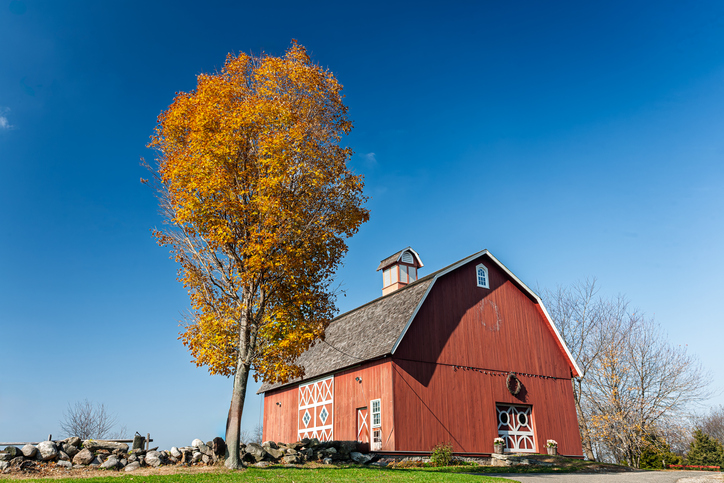
A hobby farm is a type of rural property where farming activities are conducted on a smaller scale, primarily for personal enjoyment or lifestyle rather than profit. Unlike commercial farms, hobby farms typically:
- Are not the owner’s main source of income
- Feature small acreage or modest livestock numbers
- May produce food or artisanal products for personal use or local markets only
There’s no hard-and-fast rule like “the farm must be under X acres,” but insurers and industry definitions usually view hobby farms as small enough that they’re not engaged in large-scale commercial farming.
Why Standard Home Insurance Isn’t Enough
Your typical homeowner’s insurance policy is great for everyday residential risks but it usually excludes farming-related exposures. That means:
- Barns and outbuildings used for livestock or equipment might not be covered
- Farm machinery and tools could be excluded
- Livestock injuries or deaths might not be covered
- Liability from farm activities may be missing entirely
In short, if you’re running agricultural activities on your property, even as a hobby, you need a specialized policy that understands what rural life really involves.
Key Types of Coverage for Hobby Farms
When you switch from a standard home policy to a dedicated hobby farm insurance package, you’re getting tailored protection for the unique risks of rural living.
- Rural Property and Farm Structure Coverage
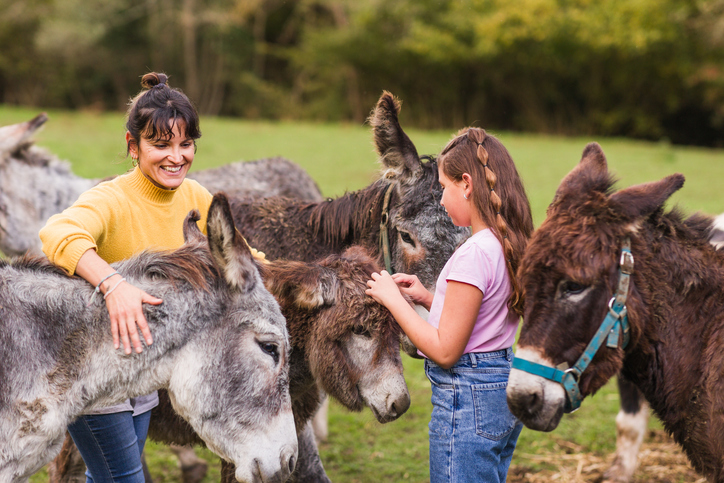
- Livestock and Animal Coverage
- Equipment and Machinery Protection
- Liability Coverage
Sandbox’s Farm Lifestyle Box is a package designed especially for hobby farms, includes Farmer’s Comprehensive Liability coverage, usually up to $2,000,000. That’s a strong safety net in case the unexpected happens.
How to Decide What’s Right For You
Every hobby farm is unique. The right coverage depends on things like:
- How many animals you have
- Whether you sell products (even at a farmers’ market)
- The size and number of buildings
- Whether you host guests or events
That’s why working with a broker who understands rural property coverage and farmhouse insurance is critical. A broker can match your property and lifestyle to the right package and ensure you’re not paying for coverage you don’t need.

Protect Your Passion and Your Property
Owning a hobby farm is a rewarding way to live rurally, enjoy the land, and build a life you love. But it also comes with responsibilities and risks that go beyond what a typical home insurance policy protects.
With proper hobby farm insurance, you’re protecting your lifestyle, your assets, and your peace of mind.
Ready to explore your options? Find a Sandbox broker near you and talk through a personalized coverage plan that fits your farm, your dreams, and your budget.
Your hobby farm is a delightful escape, but standard home insurance just won't cut it for the rural adventure. You need specialized coverage for your barns, critters, and anything else that makes your country life wonderfully unique!

FAQ'S
Is a hobby farm covered under regular home insurance?
No. Standard home insurance often excludes farm activities, livestock, and outbuildings, which is why hobby farm insurance is recommended.
Do I need hobby farm insurance if I don’t sell anything?
Yes. Even if your farm is just for personal enjoyment, animals, equipment, and liability risks still require proper rural property coverage.
What’s the difference between hobby farm insurance and commercial farm insurance?
Hobby farm insurance is designed for small-scale, non-commercial operations, while commercial farm insurance is for farms that generate significant income.