Seasonal Risks for Beekeepers: Beekeepers Insurance Can Help when Nature Throws Curveballs
Summary
That’s where smart risk management and apiculture insurance come in. Whether you’re a hobbyist tending backyard hives or a commercial beekeeper managing hundreds of colonies, understanding seasonal risks and how bee insurance can help you recover is essential for long-term success.
Reading Time
2 min
Nature Throws Curveballs: Seasonal Risks in Beekeeping
Beekeeping doesn’t have the luxury of controlling its environment. Bees are at the mercy of Mother Nature and she doesn’t always cooperate.
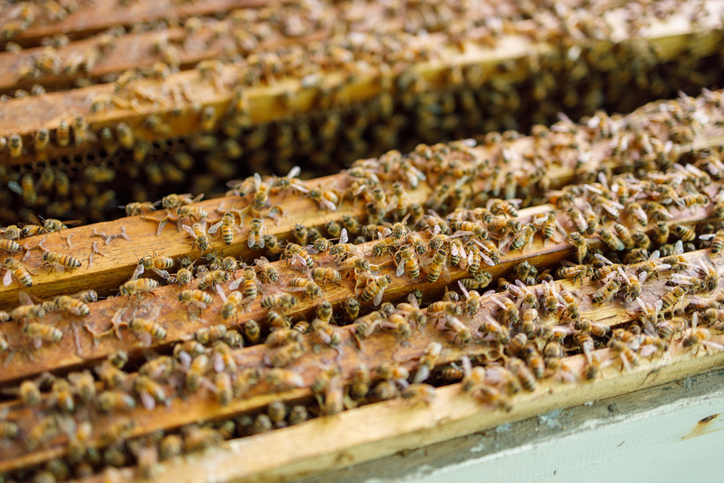
Harsh Winters and Spring Delays
One of the biggest threats for beekeepers on the Prairies is winter survival. Extended cold, mysterious colony collapses, or a late frost can wipe out a significant portion of your bees. In regions like Saskatchewan, Alberta, and Manitoba, overwintering losses are a reality that even experienced apiarists plan for months in advance.
Drought and Low Rainfall
Weather patterns have become more unpredictable in recent years, and drought is a growing concern. Long dry spells reduce the amount of flowering forage available, weakening bees’ nutrition and, ultimately, honey yields.
Pests and Disease
Varroa mites, small hive beetles, foulbrood and other pests or diseases are part of the apiculture landscape. These threats don’t stop for good weather, and managing them takes vigilance (and often added expense). Participation in integrated pest management courses and active varroa treatments not only improve colony health but can also make you eligible for premium discounts in some insurance programs.
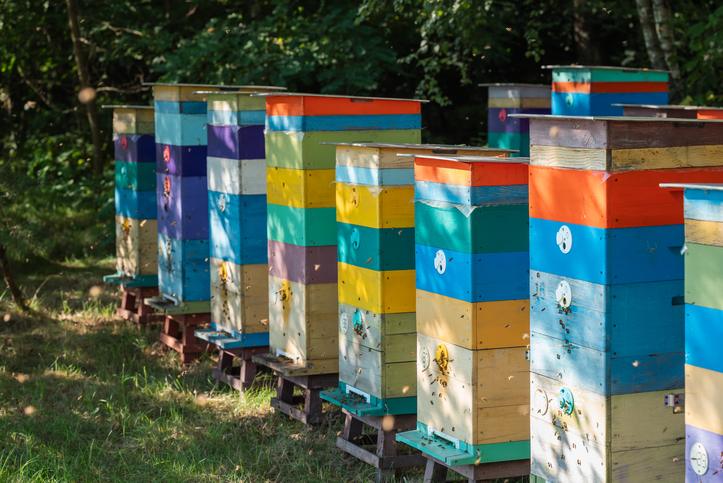
Unpredictable Forage and Timing Losses
Beekeepers invest in seasonal timing, placing hives where blossoms will be in full flow, anticipating nectar flows, and planning honey supers around bloom windows. But the weather doesn’t follow calendars. Overcast skies, heat waves, or unseasonal winds can shorten feeding windows and reduce honey production.
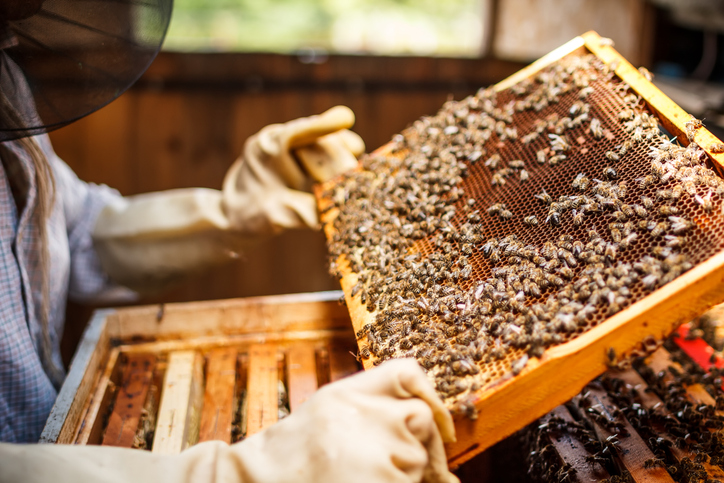
How Beekeepers Can Prepare and Protect Themselves
Seasonal risks can’t be eliminated but they can be anticipated. Here are a few ways beekeepers can improve their resilience:
- Know your seasonal threats
- Participate in best practices
- Talk to a broker early
- Review hive valuation
In a world of shifting seasons, beekeeping comes with risks. Investing in the right beekeeping insurance isn’t just a safety net, it's a way to protect your livelihood, your bees and your peace of mind. With tailored hive coverage and risk management strategies, you can face seasonal ups and downs with confidence knowing you’re covered and ready to bounce back.
Whether you’re a hobbyist tending backyard hives or a commercial beekeeper managing hundreds of colonies, understanding seasonal risks and how bee insurance can help you recover is essential for long-term success.

FAQs
What exactly does apiculture insurance cover?
Apiculture insurance is tailored to beekeepers. It can cover hive and colony loss, honey production shortfalls tied to weather indices, equipment and supplies, and sometimes even liability linked to your apiary operation.
Do regular home or farm policies cover beekeeping activities?
Often they don’t. Standard homeowner policies may not protect hive losses or specialized risks. Even farm policies may not include bees unless you add specific beekeeping insurance or a tailored endorsement.
Can I insure my bees against drought and low rainfall?
Yes. Many apiculture insurance products use rainfall index coverage — if rainfall in your chosen grid during set intervals falls below your threshold, you may qualify for a payout.