Prairie Beekeepers: Here's Why Insurance Is A Must-Have
Summary
Prairie beekeeping comes with unique rewards—and unique risks. From unpredictable weather and long winters to the financial investment behind every hive and the added responsibility of selling honey, beekeepers face challenges that can’t always be controlled. This blog explores why insurance is an essential part of protecting colonies, equipment, and growing operations, and how Sandbox supports Prairie beekeepers with coverage designed for life on the land—so they can focus on healthy hives, long-term growth, and the vital role pollinators play across the Prairies.
Reading Time
5 min
Beekeeping across the Prairies feels like stepping into a world that moves at its own calm and steady pace. The fields stretch forever, the sunlight hits differently in the summer, and the hum of bees floating through canola seems to blend right into the landscape. For many beekeepers, that mix of quiet work and natural beauty is what makes the practice so rewarding. But it also comes with a level of unpredictability that keeps even experienced keepers alert. Prairie life is full of surprises, ranging from sudden storms to wildlife encounters and long winter freezes.
Because so much of beekeeping depends on conditions that shift without warning, insurance becomes more than a last-minute thought. It becomes a tool that protects the progress you build over an entire season. Beekeeping takes time, care, and investment, and insurance helps ensure the work you put in isn't lost when something unexpected happens. Learn about all of Sandbox’s commercial and speciality coverages on our Farm Insurance page.
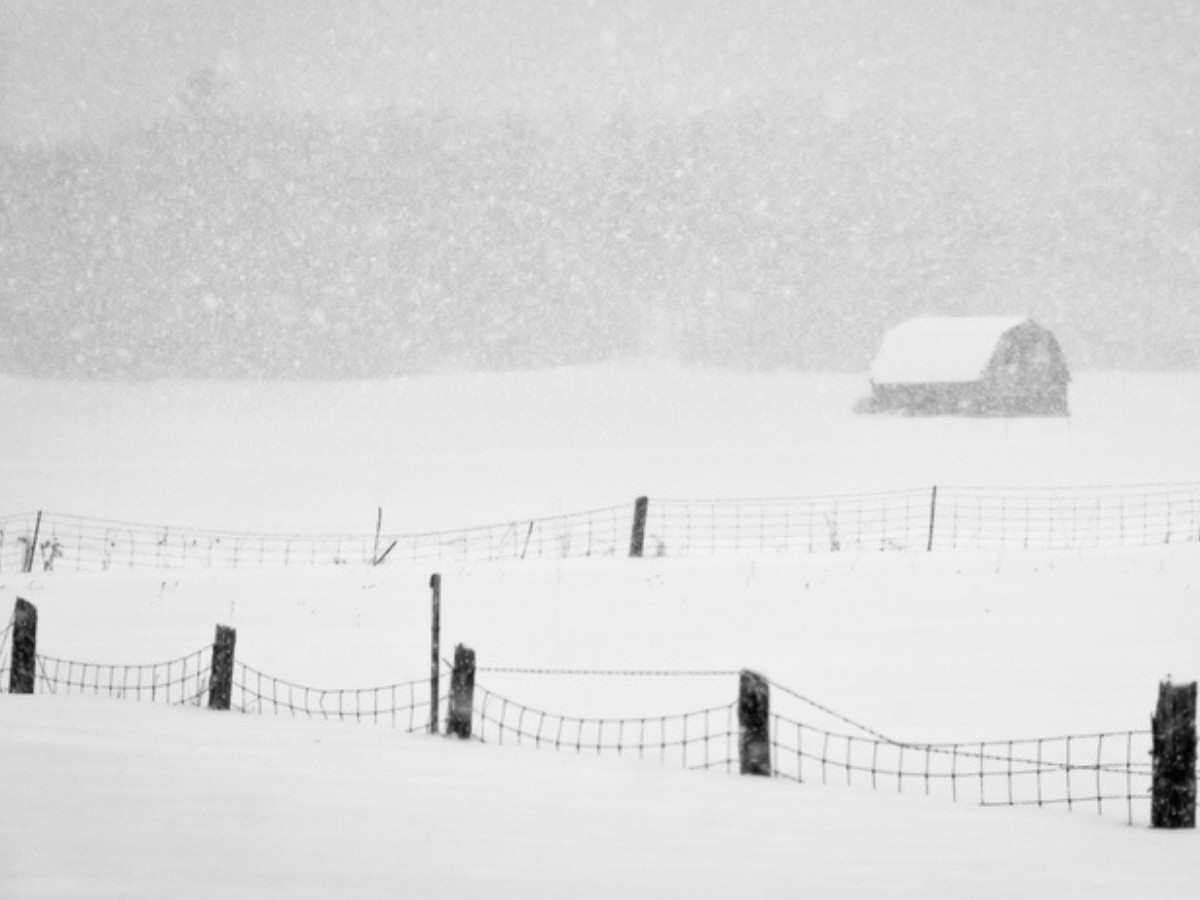
Prairie Weather Can Be Beautiful and Brutal
Anyone who keeps bees on the Prairies becomes familiar with dramatic shifts in weather. Summer can feel like a gift, filled with blooming clover, acres of canola and long warm evenings that keep colonies active and productive. Bees thrive during this time, and many beekeepers see their strongest growth in just a few short weeks.
Those same beekeepers also know that the transition into colder seasons can be sharp and unforgiving. Prairie winters are long and extremely cold, and they require careful planning to keep colonies healthy. Even with insulation, proper nutrition and airtight winter preparation, there is always some level of uncertainty. A sudden temperature swing or a long stretch of extreme cold can affect colonies in unpredictable ways. Because the weather is something no beekeeper can control, having insurance provides a sense of balance. It softens the impact of the climate you work in and gives your operation stability even when nature refuses to cooperate.
The Investment Behind Every Hive
Many people outside the beekeeping world think of beekeeping as a charming weekend hobby with a few boxes and a jar of honey at the end of the season. Anyone who has ever owned a hive knows it is nothing that simple. Each box, frame, feeder, suit and tool represents an investment. Even small backyard setups require a surprising amount of equipment, and beekeepers who grow their operations invest even more time and money into doing things the right way.
Since beekeeping equipment can wear down or be damaged over time, costs continue throughout the year rather than ending after the initial purchase. Weather can cause physical damage to hives, animals can wander through an apiary and disrupt equipment, and sudden disease issues can spread despite careful monitoring. Losing hives or gear is not just a setback. It is a financial hit that can affect the entire season. Insurance helps protect the effort that goes into building and maintaining a healthy beekeeping setup.
Selling Honey Comes With New Responsibilities
When beekeepers begin sharing or selling their honey, even in small amounts, they step into a new level of responsibility. It usually begins casually with jars shared with friends or offered at a small community market. As demand grows, the operation starts to feel more like a business, even if it began as a personal passion. With that growth comes a need to think about safety, accountability and potential risks.
Here are some of the areas where liability comes into play
• A customer may have an unexpected allergic reaction
• A visitor who comes to see the hives may slip, trip or get stung
• A product concern could lead to questions about quality or safety
• A customer may have an unexpected allergic reaction
• A visitor who comes to see the hives may slip, trip or get stung
• A product concern could lead to questions about quality or safety
These issues are rare, but they can happen in any small business. Liability coverage helps beekeepers stay protected while they grow and explore new opportunities. If you’re new to beekeeping or want extra tips on tools, planning and protecting your investment, see this beginner’s beekeeping guide on the Sandbox Learning Centre.

How Sandbox Supports Prairie Beekeepers
Beekeeping in the Prairies is shaped by fast-moving storms, temperature swings, long winters, and wide-open landscapes. Sandbox understands these unique conditions and offers coverage designed for beekeepers who work with the land and adapt to constant change. Through our Buzz Box Beekeeping Insurance, we help protect equipment, colonies and business activities so beekeepers can focus on maintaining healthy hives and strong production.
Support also goes beyond insurance. At Sandbox, we are proud to invest in pollinator health, and we donate every year to Pollinator Partnership Canada, helping protect important habitats and supporting the long-term sustainability of pollinators across the country. Brokers are also available to help beekeepers choose coverage that truly fits their operation so they receive meaningful protection without paying for coverage they do not need. For additional help managing policies, claims, and documents online, see Sandbox’s Self-Service Hub blog for more information.
Insurance Helps You Plan Instead Of React
Successful beekeeping is built on thoughtful decisions. You monitor your colonies, watch the weather, and pay attention to seasonal changes, then adjust your plans based on what your bees need. Insurance fits naturally into that rhythm. It helps beekeepers make confident decisions without feeling held back by worry.
For example, if a sudden storm blows through and damages several hives, coverage can help you recover instead of having to scale down. If wildlife disrupts your apiary, insurance helps you recover from the setback. If your honey becomes popular and your business grows faster than expected, liability coverage keeps you protected while you scale up. Instead of reacting to problems, you can focus on long-term goals.
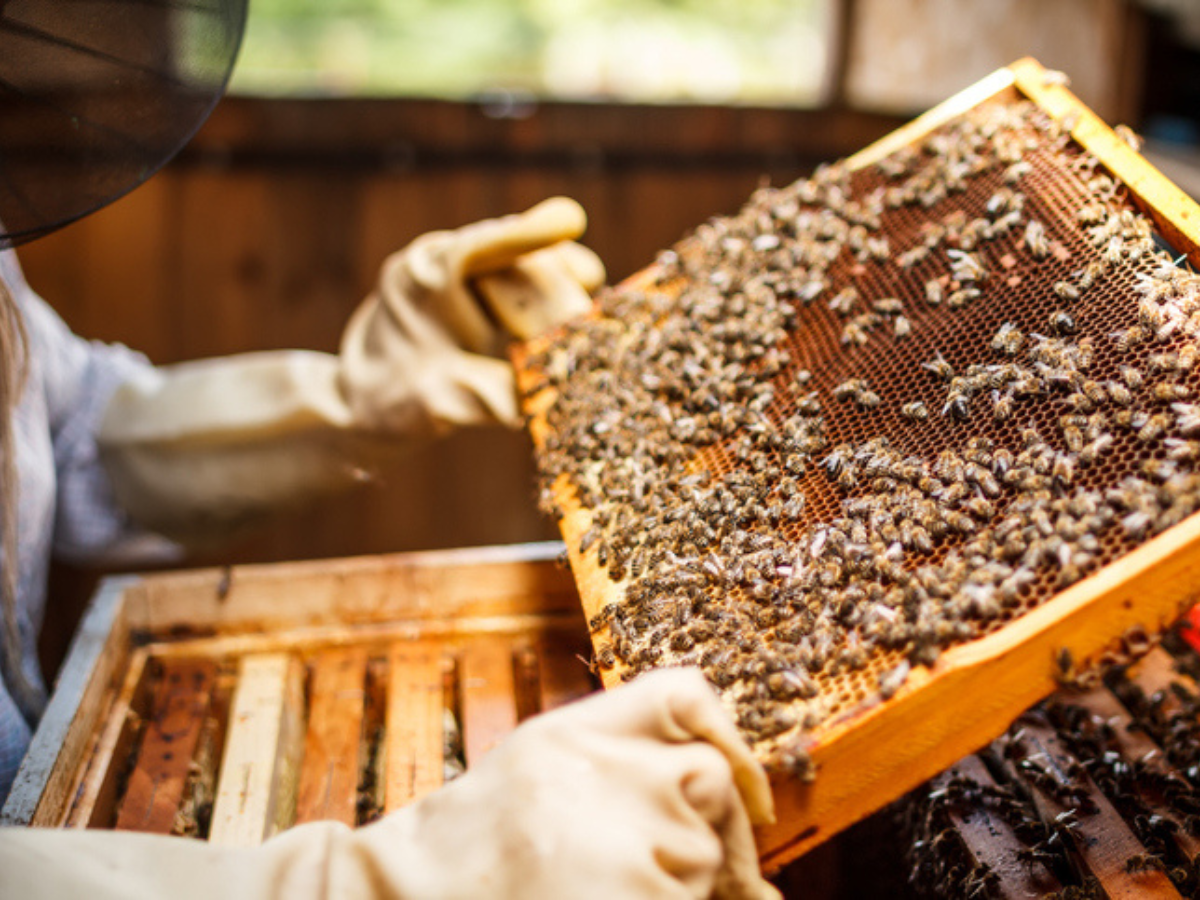
Beekeepers Help The Prairies Thrive, And Their Work Deserves Protection
Beekeepers do more than produce honey. They support agricultural pollination, contribute to local food systems and help maintain strong ecosystems. Bees play a vital role across the Prairies, and the work beekeepers put into managing colonies benefits communities and environments far beyond the apiary. Protecting that work is important, not only for individual beekeepers but also for the broader landscape that relies on healthy pollinators.
If you are new to beekeeping or you have been doing it for years without exploring insurance, now is a great time to learn more. A broker can help you understand which coverage best supports your specific needs and goals. Whether you keep bees for enjoyment, pollination or business, the right protection keeps everything you are building strong and stable.
Please note that the information in this article may not reflect your insurance policy with Sandbox or another company. For details about your specific coverage, please speak with your broker.

FAQ's
Do I need insurance if beekeeping is just a small or part-time operation?
Yes. Even small beekeeping setups involve valuable equipment, colonies, and potential liability. Insurance helps protect your investment if weather, wildlife, or unexpected incidents occur.
What risks does beekeeping insurance typically help cover?
Coverage can help protect against damage to hives and equipment, losses from severe weather or animals, and liability if someone is injured or has an allergic reaction related to your beekeeping activities.
Why is insurance especially important for Prairie beekeepers?
Prairie conditions can be unpredictable, with sudden storms, extreme cold, and long winters. Insurance provides stability and peace of mind when nature doesn’t cooperate, allowing beekeepers to plan ahead rather than react to setbacks.