Don't Let Your Home Drainage System Work Against You
Summary
Reading Time
2 min
Have you ever had one of those days where everything seems to be going wrong? For the Murphys, this is a common occurrence. They firmly believe that anything that can go wrong, will go wrong—especially for them. Let us tell you more, based on a true story from a real Sandbox policyholder.
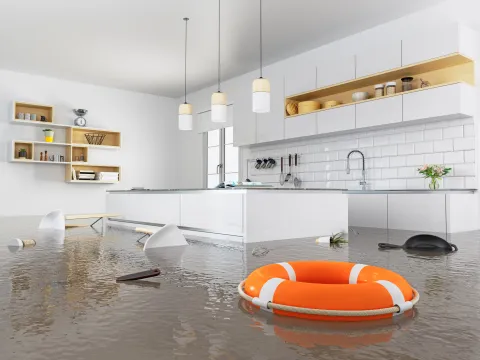
Recent heavy rains caused the Murphy's basement to flood. Luckily, the damage could be assessed by their insurance provider, Sandbox Mutual and was covered under their home insurance policy. Before the damage could be repaired, Mr. and Mrs. Murphy were using a sump pump to clear the water from their basement. After running the sump pump for quite some time, it didn't seem to be helping much at all. It could not keep up to the amount of water that was coming in.
Mrs. Murphy ran outside and discovered the issue. The sump pump was discharging right beside the house and running back in. The Murphy's were basically recirculating the water back to the pump so their basement was never going to dry out. Just their luck!
The Murphys learned a lesson from this situation: to make sure all of their downspouts, roof drains, and sump discharge extend far enough away from the house to keep water for accumulating and running into the home.
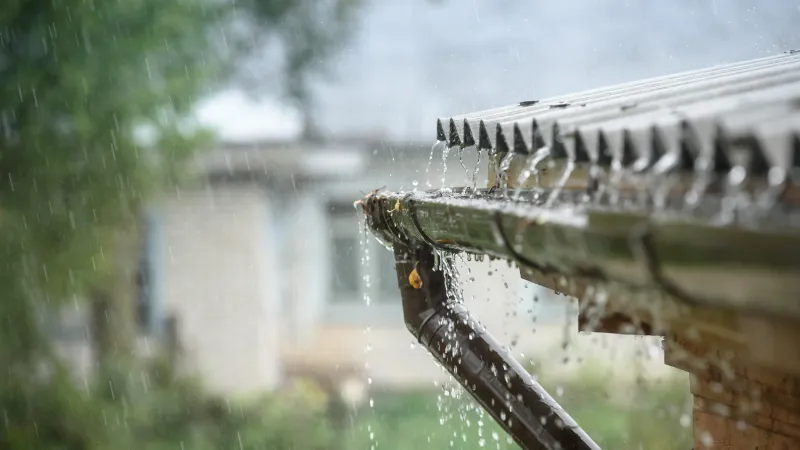
A common cause of water damage to a home is poor drainage. When downspouts, roof drains, and sump discharge are not extended far enough away from the house, water can accumulate near the foundation and go into the basement or crawl space.
To prevent water damage, it is important to regularly inspect and maintain your home's drainage system. Here are a few tips to keep in mind:
- Ensure that downspouts are pointed away from the house and extend at least 6 feet away from the foundation.
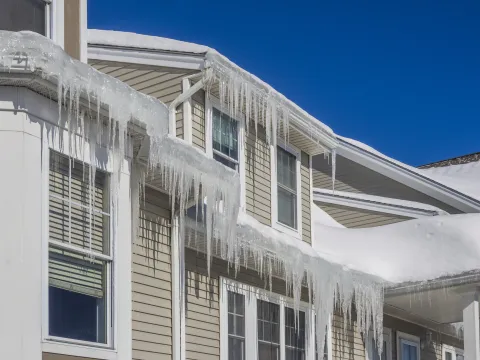
- Clean out gutters and downspouts regularly to prevent clogs and blockages.
- Install a sump pump if you have a basement or crawl space that is prone to flooding.
- Inspect and test your sump pump regularly throughout the spring, summer, and fall months.
- Consider grading the land around your home so that it slopes away from the foundation.
Learn from the Murphy's mistake by taking these proactive steps to protect your home from water damage!
Please note that the information in this article may not accurately reflect your insurance policy from Sandbox Mutual Insurance or another insurance company. Please refer to your policy or talk to your broker about your specific coverages.

FAQ'S
How far should my downspouts and sump pump discharge pipe extend from my house?
At least 6 feet (about two large strides). That extra distance keeps water from cozying up to your foundation and sneaking into your basement — unlike the Murphys, who unknowingly created a backyard water slide right back into their home.
If I have a sump pump, do I still need to maintain my gutters and grading?
Yes, yes, and yes. A sump pump is the last line of defence — not the only one. Think of gutters and grading as your home’s rain-proof security team. If one member slacks off, water may still find its way indoors.
How often should I test or check my sump pump?
Seasonally — at minimum. Spring, summer, and fall check-ups help ensure it’s fully ready when storms roll in. A quick test is all it takes: lift the float or pour in some water to make sure it kicks in. Better a 30-second check now than a soggy basement later.