
ATV Insurance for Farms vs Recreation: What’s the Difference?
Summary
Reading Time
4 min
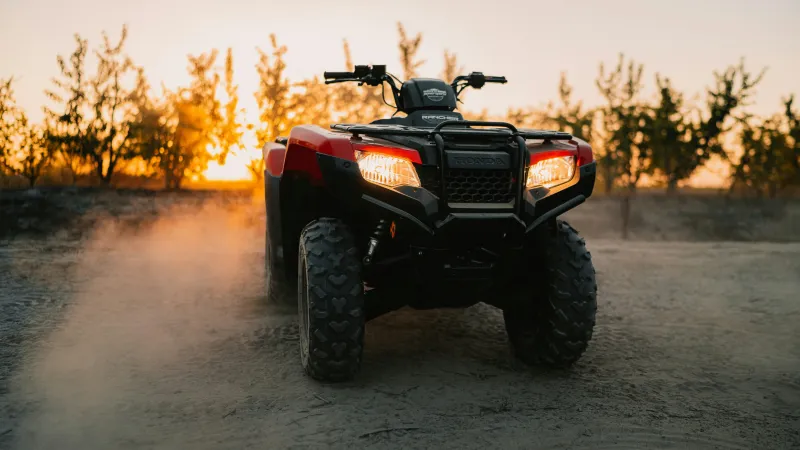
ATVs in Saskatchewan are one of those rare machines that can spend the morning doing actual work and the afternoon trying to launch themselves through a mud hole for reasons that are never fully explained. Same vehicle, very different intentions depending on who is holding the throttle.
That’s where insurance starts to matter a bit more than people expect. Farm use and recreational use can look similar on the surface, but insurers treat them differently because the risk changes depending on how, where, and why the ATV is being used.
What ATV insurance actually is and why use matters
ATV insurance is there to protect you financially if something goes wrong while you’re riding. That can include damage to your ATV, theft, vandalism, or liability if someone else is injured or property is damaged during use.
In Saskatchewan, it’s not automatically included in regular auto insurance, so it’s usually added through a private insurer or built into a farm or recreational policy. The important part is that the type of policy you get is shaped heavily by how you actually use the ATV, not just the fact that you own one.
Farm use vs recreational use
The difference between farm and recreational ATV insurance really comes down to purpose. Farm use means the ATV is primarily a working tool used for tasks like hauling, checking livestock, or moving around large rural properties. Recreational use means it’s mainly used for trail riding, exploring, and general off road fun.
That distinction matters because it changes the type of exposure the ATV has. Farm use is usually more predictable and contained on private land, while recreational use involves shared trails, unfamiliar terrain, and more interaction with other riders, all of which increases variability and risk in different ways.
Farm ATV insurance
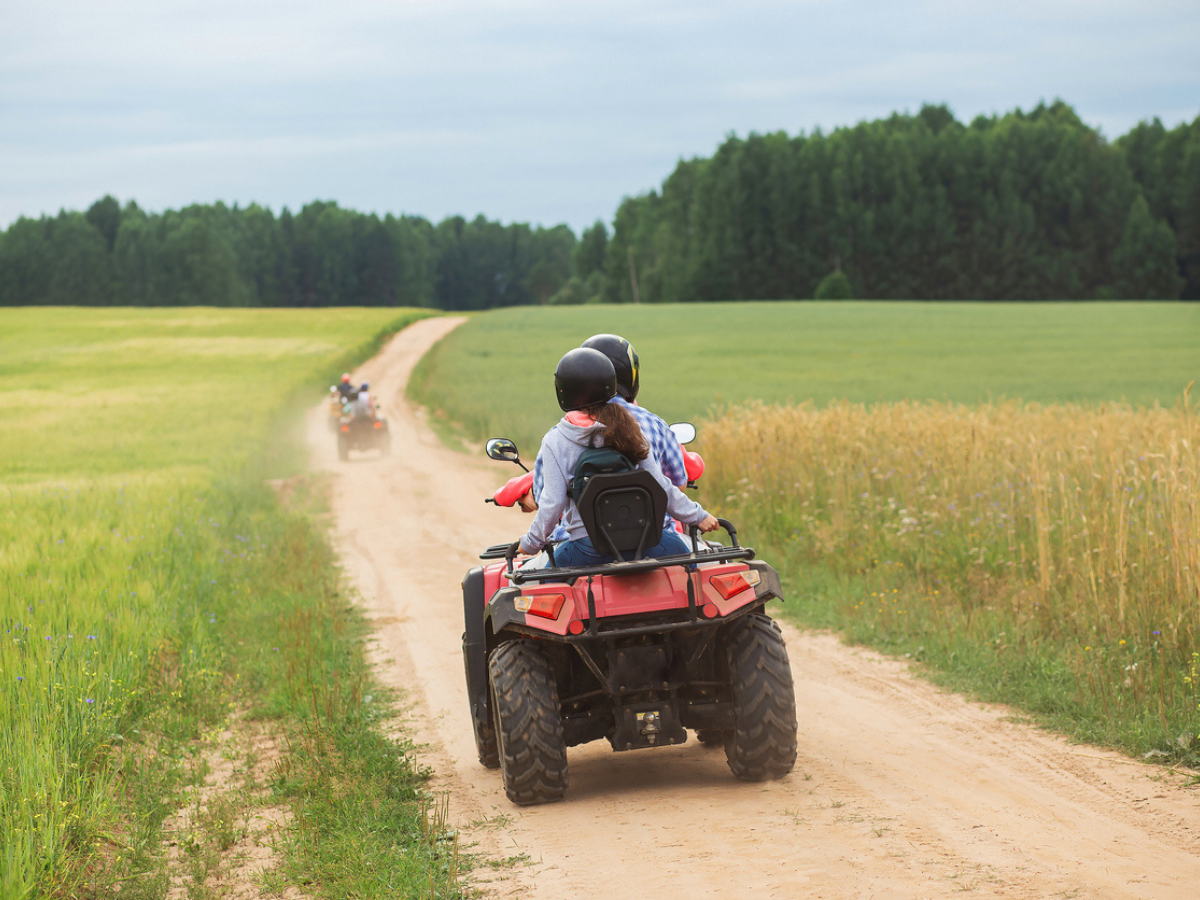
Farm ATV insurance is designed for machines that are part of everyday agricultural operations. If your ATV is being used regularly for farm tasks like checking fences, transporting supplies, or helping with livestock, it’s generally considered farm use and treated as part of the broader farm operation.
Because of that, coverage is often built into a larger farm policy rather than a standalone recreational plan. Insurers view the ATV as a utility vehicle that’s essential to running the property, which affects how liability, usage, and risk are structured.
What farm coverage typically focuses on
• Frequent use as part of farm operations
• Coverage during work related tasks on private land
• Liability protection tied to agricultural activities
• Multiple users operating the ATV on the property
• Protection that reflects daily wear and functional use
Farm ATVs are expected to work hard and often, sometimes in less controlled conditions, so insurance is built to reflect that consistent exposure rather than occasional riding.
Recreational ATV insurance
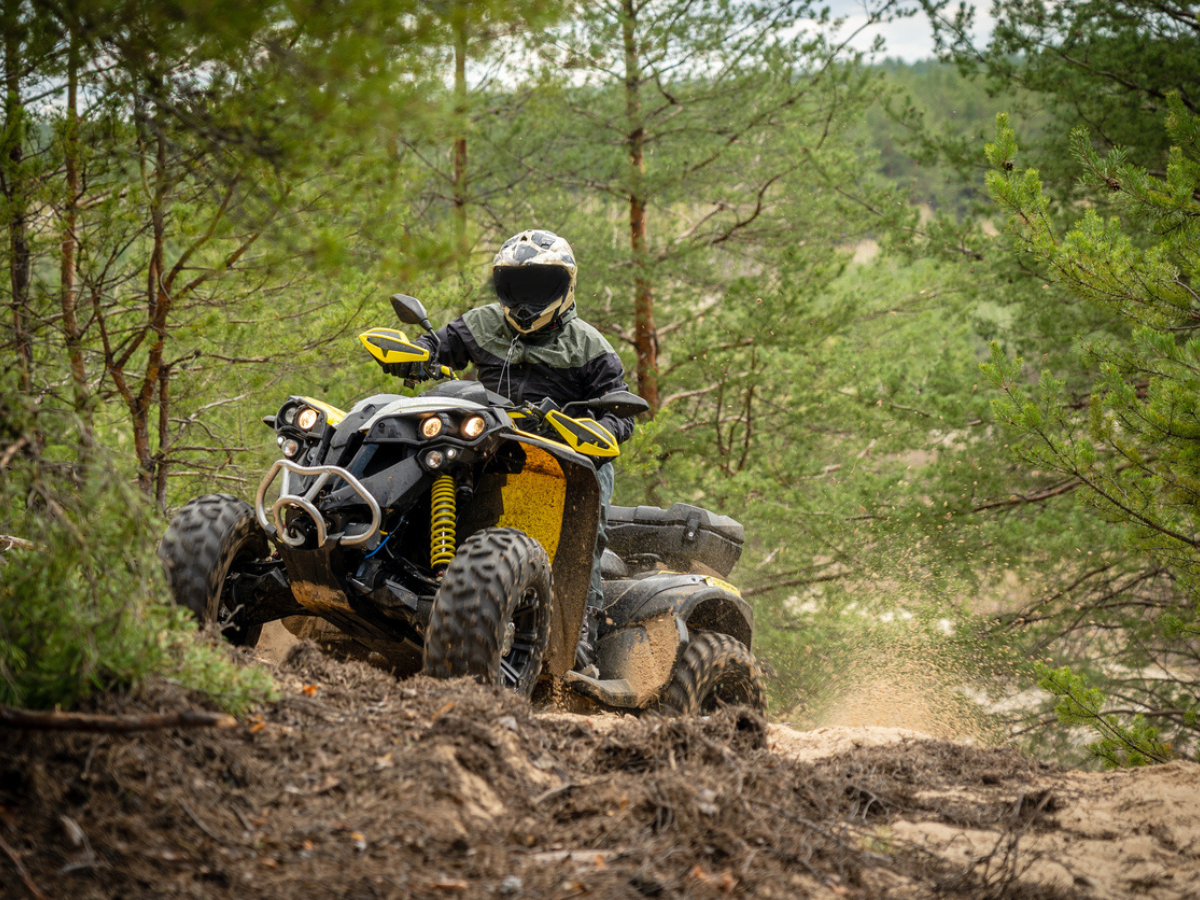
Recreational ATV insurance is designed for riding that’s focused on enjoyment rather than work. This includes trail riding, camping trips, seasonal use, and general exploring in off road environments where the goal is recreation rather than productivity.
The risk profile changes because recreational riding tends to happen in more unpredictable settings. You're more likely to encounter other riders, unfamiliar terrain, and changing conditions that you don't fully control or know in advance. Following safe riding practices can help reduce your risk and make every ride more enjoyable.
What recreational coverage typically focuses on
• Trail riding and off road recreational use
• Liability coverage in shared riding environments
• Theft protection when the ATV is stored or parked
• Occasional or seasonal usage patterns
• Damage from terrain, collisions, or off road incidents
It assumes the ATV is not part of a daily work routine, but instead something used when time allows, which affects how insurers assess frequency and exposure.
When farm and recreation use overlap
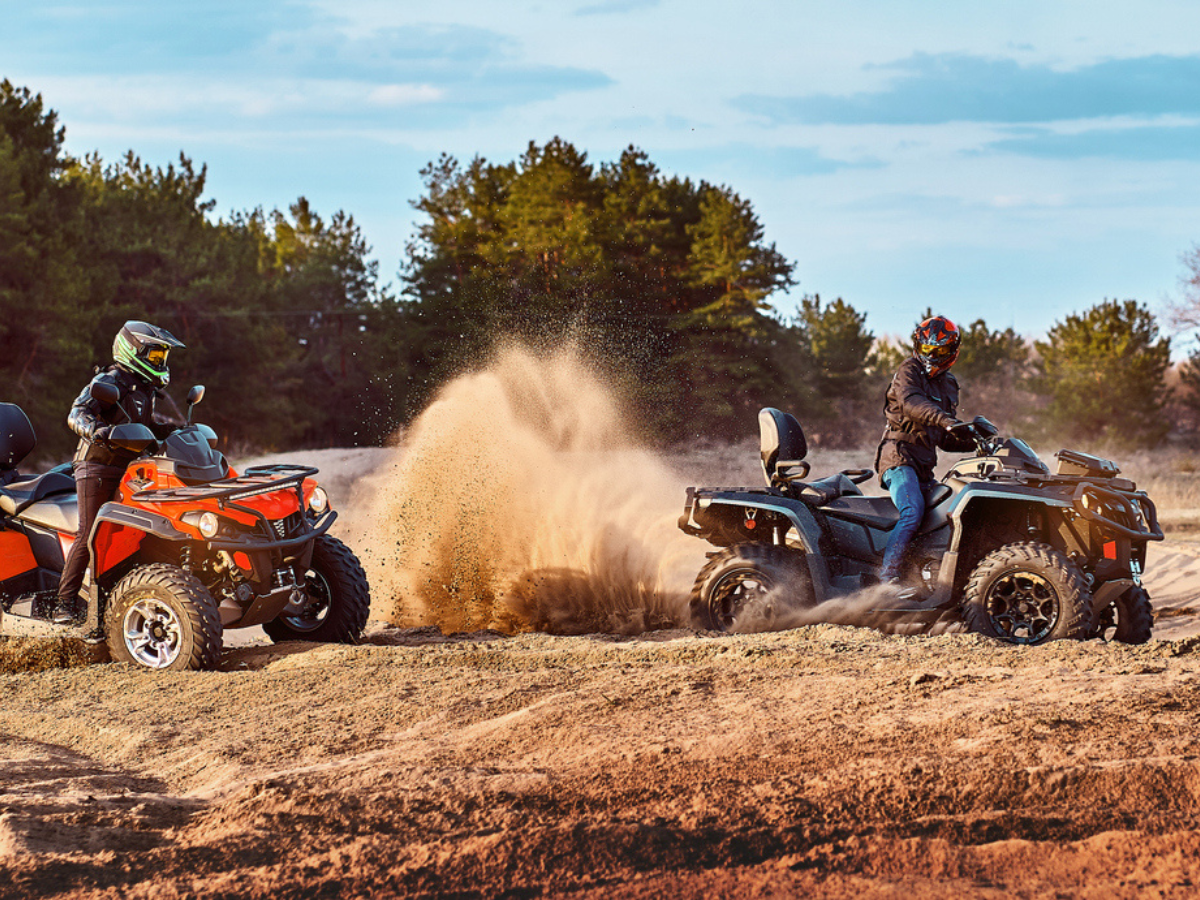
In Saskatchewan, it’s extremely common for one ATV to do both jobs. It might be used during the week for farm work and then used on weekends for recreational riding. That overlap is normal, but it does create an insurance consideration.
The key issue is classification. Insurance policies still need a primary purpose for the ATV, and if the way you actually use it doesn’t match that classification, it can create gaps in coverage. That’s why being upfront about both uses with a broker is important, because most ATVs in rural areas realistically don’t stick to just one role.
Key risks that apply in both cases
Regardless of whether your ATV is used for farm work or recreation, there are a few risks that stay consistent. These are the ones that tend to matter most when something unexpected happens.
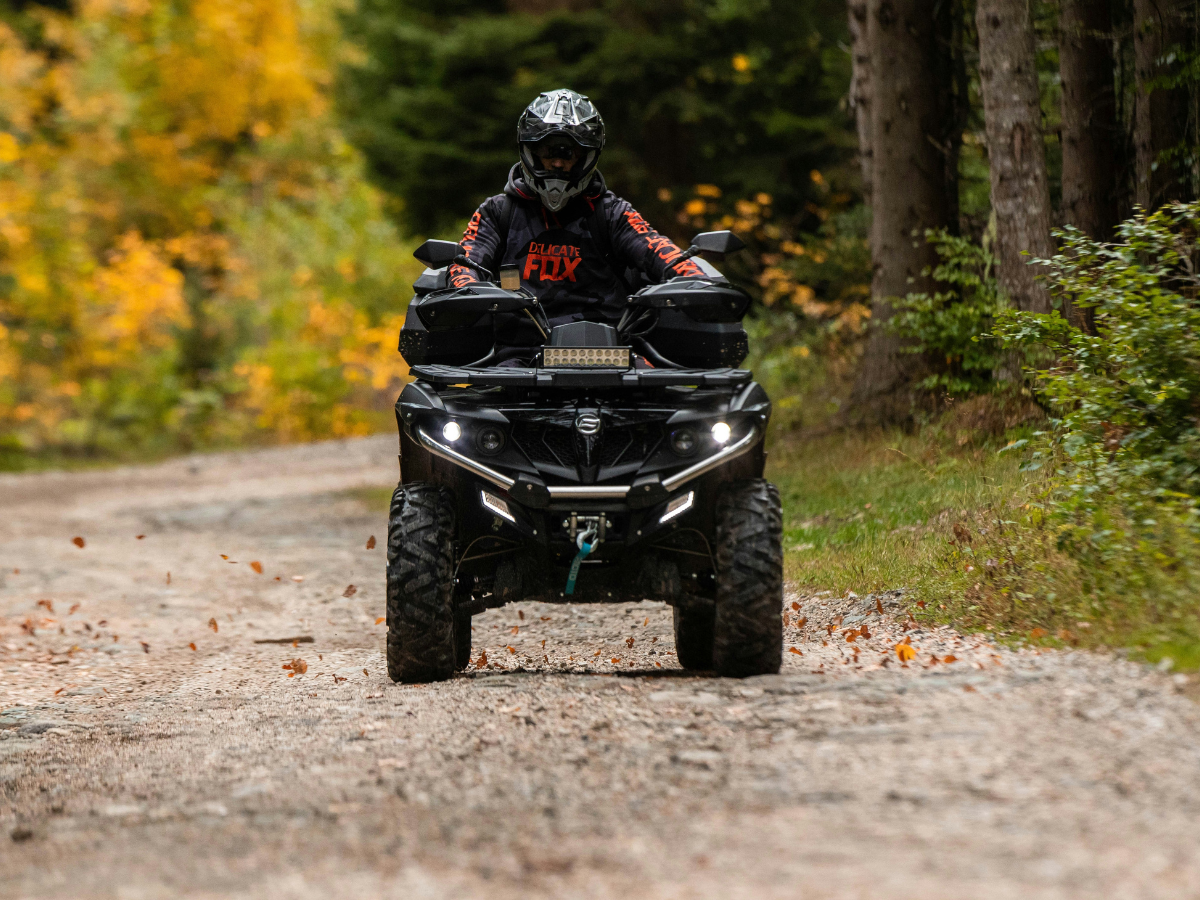
The main risks
• Liability if someone is injured or property is damaged
• Theft or loss of the ATV, especially in rural storage areas
• Financial responsibility if the ATV is financed or leased
Liability is usually the biggest one people underestimate because it doesn’t depend on how careful you are. Even a small incident can become expensive if other people or property are involved.
Why the difference actually matters
The reason farm and recreational ATV insurance are treated differently is because the use case changes the risk profile. Farm insurance assumes the ATV is a working tool used frequently on private land. Recreational insurance assumes it’s used for leisure in more varied and less predictable environments.
Most people in Saskatchewan end up somewhere in the middle, which makes honest usage the most important part of setting up coverage. It’s less about choosing a category and more about making sure the policy actually matches how the ATV is used in real life. If you're unsure which type of coverage fits your situation, it's a good idea to find a broker who can help you choose the right policy.
Please note that the information in this article is provided for general informational purposes only and may not reflect the specific details of your insurance policy. Coverage varies between insurers and provinces. Always review your policy documents or speak with your broker about your individual insurance needs.