
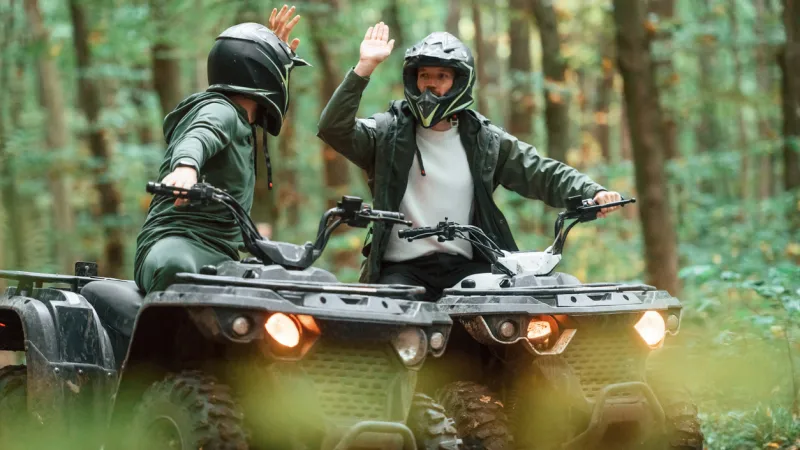
Do You Need ATV Insurance? Here is When You Are at Risk
Summary
Reading Time
5 min
ATVs are a bit like that one friend who says “hold my drink, I have got this” right before doing something questionable. They are fun, powerful, and extremely capable of turning a calm weekend into a muddy adventure you did not fully plan for. But while they are built for excitement, they also come with real risks that are easy to underestimate until something actually goes wrong.
If you are thinking about buying an ATV or already have one sitting in your garage waiting for its next ride, you might be wondering if insurance is actually necessary. The short answer is yes in most cases. The longer answer is that it depends on how you use it, where you ride it, and how comfortable you are taking on the financial risk yourself if something unexpected happens.
What ATV Insurance Actually Is
ATV insurance is designed to protect you, your vehicle, and sometimes others if something goes wrong while you are riding. That can include accidents, theft, vandalism, and liability if you accidentally cause injury or damage someone else’s property. It works as part of your broader auto insurance coverage, helping extend financial protection to recreational and motorized vehicles beyond just your everyday driving needs.
Think of it as a backup plan that you hope you never need, but would very much like to exist if things go sideways. It’s a bit like having spare gloves in winter. You don’t think about them until you really, really need them.
When You Are Most at Risk Without ATV Insurance
One of the biggest risk factors comes into play when you take your ATV beyond private property. Public trails and shared riding areas mean you are no longer the only one in control of the environment. Other riders, unexpected obstacles, and shared responsibility all increase the chances of something going wrong, even if you are being careful. If you're planning to ride Saskatchewan trails, it's important to understand local trail rules and permitted riding areas before heading out.
You are also at higher risk when you consider how quickly costs can stack up after an incident. Even a small accident can turn into something expensive, especially when you factor in repairs, liability, or injury related expenses. Without insurance, those costs are entirely yours to handle, which is usually not the kind of surprise anyone is hoping for after a ride.
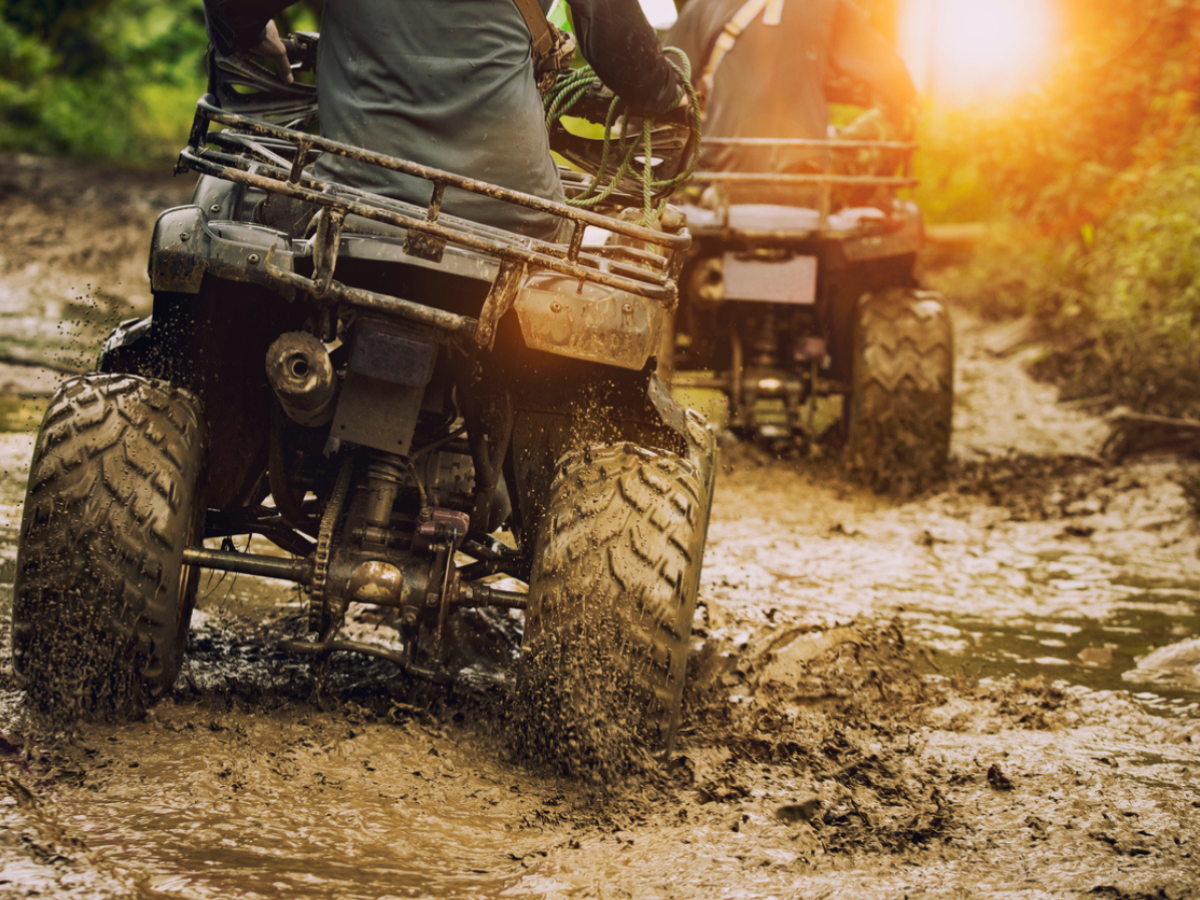
Situations That Increase Your ATV Risk
Some ATV risks are not always obvious at first, but they show up quickly once you start riding in different conditions or situations. Here are a few of the most common ones to keep in mind:
- Riding on public trails or shared off road areas where other riders are present
- Using your ATV in rough or unpredictable terrain like mud, rocks, or water crossings
- Storing your ATV outdoors or in unsecured areas where theft is more likely
- Riding near other people where liability could come into play if something goes wrong
- Financing or leasing your ATV, which often requires insurance as part of the agreement
Each of these situations adds a layer of exposure. The more boxes you tick, the more important insurance becomes for protecting both your ATV and your finances. Before heading out, it's also worth reviewing some basic ATV safety practices. Our article on ATV riding tips and safety recommendations covers a few simple ways to reduce risk and ride more confidently.
When Financing or Leasing Changes Everything
If your ATV is financed or leased, insurance is often not optional. Lenders want to protect the value of the vehicle until it’s fully paid off, which means they usually require coverage that includes protection for damage and loss.
This becomes very real if something happens to your ATV before it is paid off. Without insurance, you could still be responsible for paying the remaining balance even if the ATV is stolen or damaged beyond repair. That is a tough situation to recover from, especially when there is no vehicle left to show for it.
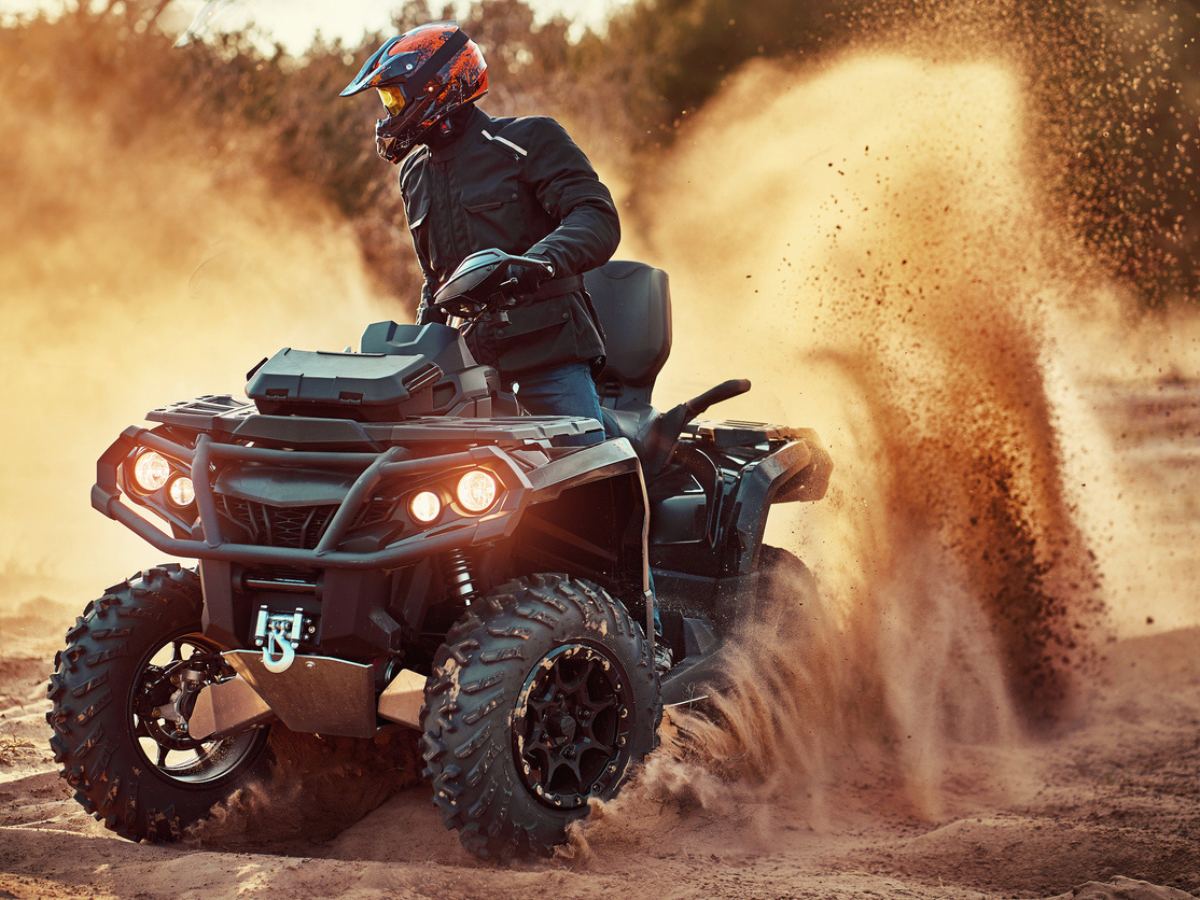
When Terrain Starts Making it's Own Decisions
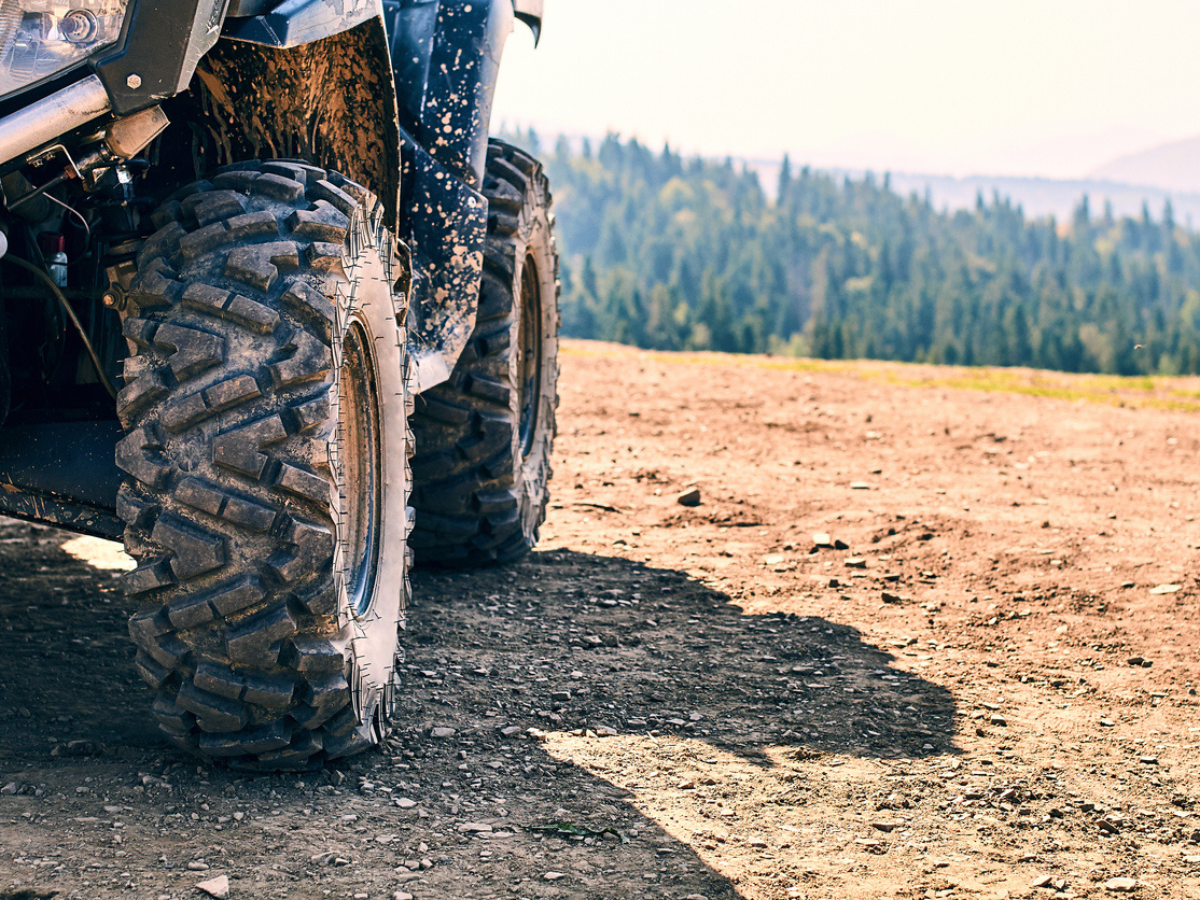
ATVs are built for rough terrain, but rough terrain doesn’t always play fair. Mud, rocks, water, steep hills, and hidden obstacles can turn a normal ride into a situation where control disappears faster than expected.
Even experienced riders can end up dealing with damage or injury simply because off road environments are unpredictable. Insurance helps reduce the financial impact when the trail reminds you that it’s not actually under your control, no matter how confident you felt five minutes earlier.
When Theft Is More Likely Than You Think
ATVs are valuable and often stored in places that are not as secure as people assume. Garages, driveways, cabins, and rural properties can all be vulnerable depending on the situation, which makes theft a real risk.
If your ATV is stolen, insurance can help replace it or cover its value depending on your policy. Without coverage, you are left dealing with the loss entirely on your own, along with the uncomfortable realization that a locked gate is not always enough.
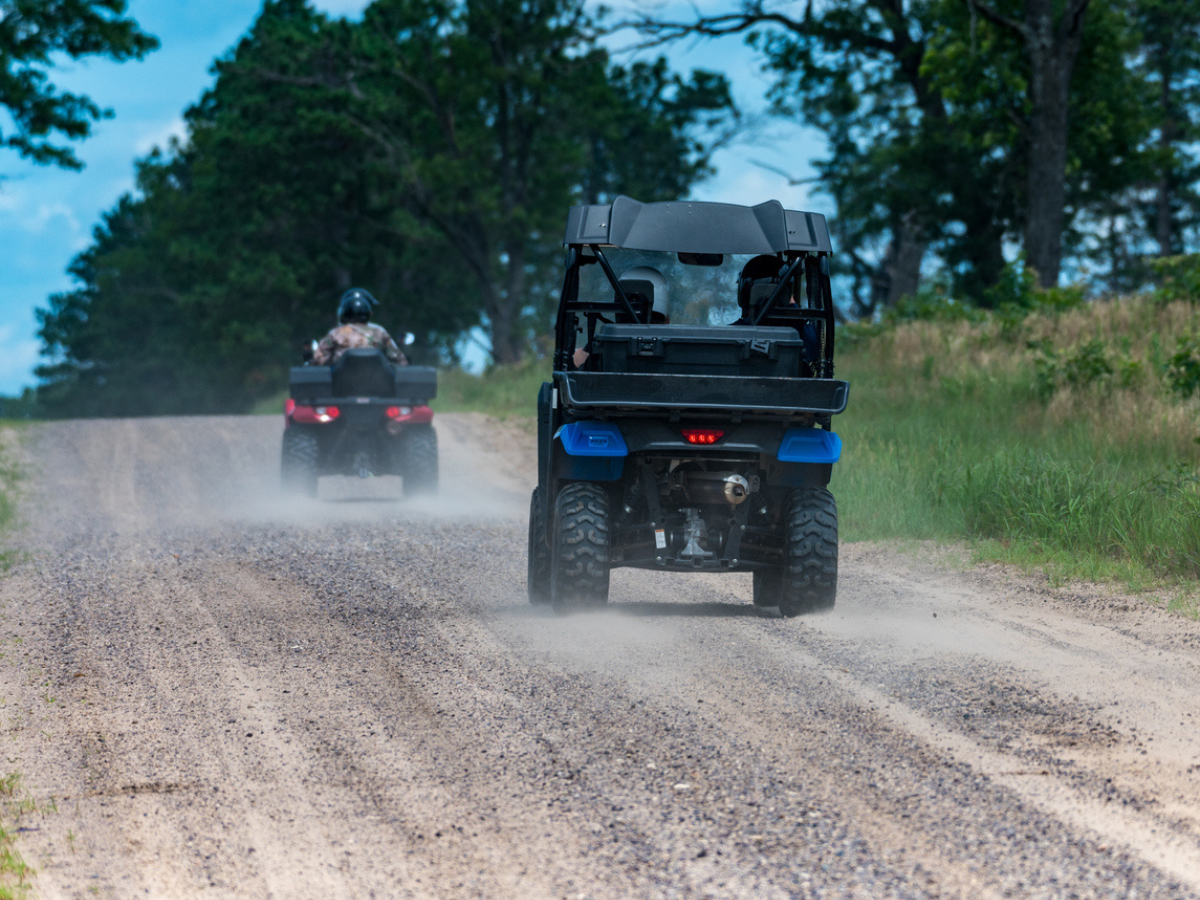
When Other People Are Involved
Even if you are a careful rider, you cannot control everyone else sharing the space. Other riders, pedestrians, or unexpected interactions can create situations where you are held responsible for injury or damage.
This is where liability coverage becomes important. It helps protect you financially if you are found responsible for an incident involving someone else. It’s not about expecting accidents, but about acknowledging that shared spaces come with shared risk, even when everyone is trying their best.
When People Think They Are Probably Fine Without It
Some riders assume insurance is unnecessary if they only ride on private land. While private property does reduce exposure to certain risks, it doesn’t remove them completely. Accidents, injuries, and unexpected events can still happen regardless of where you are riding.
Others think an older or lower value ATV doesn’t need coverage. The vehicle value might be lower, but liability risk does not change. If someone gets hurt or property is damaged, the cost can still be significant. Careful riding also doesn’t eliminate risk entirely, because most incidents happen when things are unexpected, not when you are being careless.
Why ATV Insurance Is Still Worth Considering
ATV insurance is not about expecting the worst case scenario every time you ride. It is about recognizing that off road riding comes with unpredictability, even for experienced riders. It gives you a financial buffer so a mistake, accident, or theft doesn’t turn into a long term problem.
It also gives you the freedom to actually enjoy the ride without doing mental math every time you hit a bump or turn a corner a little too quickly. And honestly, that alone makes it worth thinking about.
Final Thoughts
So, do you need ATV insurance. If you ride on public trails, finance your ATV, store it outside, or ride in situations where other people are involved, then yes, you are likely at risk without it. Even casual riders can run into situations where costs escalate quickly, and insurance is what helps keep those moments manageable.
ATVs are meant for adventure, not financial stress. Insurance helps make sure the adventure stays fun even when things do not go perfectly. If you are unsure what coverage fits your situation, talking to a broker can help you figure out what actually makes sense for how you ride.
Please note that the information in this article is provided for general informational purposes only and may not reflect the specific details of your insurance policy. Coverage varies between insurers and provinces. Always review your policy documents or speak with your broker about your individual insurance needs.