
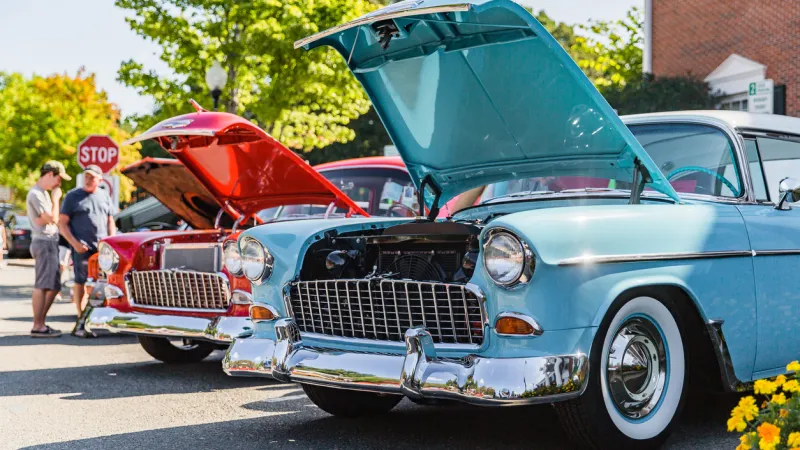
What Qualifies As A Classic Car For Insurance Purposes?
Owning a classic car feels like stepping into a different pace of life. Everything slows down a little. You notice the details more, from the curve of the body to the sound of the engine and the way people stop to look when you drive by. For many owners, classic cars are tied to memories, weekend projects, and a genuine appreciation for craftsmanship that feels harder to find in modern vehicles. It is not just about driving. It is about preserving something meaningful.
Because classic cars are treated differently than everyday vehicles, insurance becomes an important part of ownership, especially when compared to standard auto insurance coverage. The way a classic car is defined for insurance purposes can affect everything from coverage options to how your vehicle is valued. Understanding what qualifies a car as classic helps ensure it is protected in a way that actually matches how it is used and cared for.
Why The Definition Of A Classic Car Matters
In casual conversation, the word classic can mean different things to different people. One person might call a car classic because it reminds them of their childhood, while another might use the term for a rare or highly collectible model. When it comes to insurance, those personal definitions need a bit more structure. You can check out our blog Decoding the Insurance Lingo of Classic Cars for more helpful information.
Insurance providers look at classic cars as lower use, well maintained vehicles that are not exposed to the same risks as daily drivers. Because of this, they often offer specialized coverage designed around limited use, careful storage, and long term preservation. Knowing how your car fits into that picture helps avoid confusion and ensures you are not over or under insured.
Age Plays A Role But It Is Not The Whole Story
Age is often the first thing people think about when defining a classic car, and while it does matter, it is only one part of the equation when determining eligibility for classic car insurance. Older vehicles are more likely to qualify because they are no longer in production and often require specialized care. That said, age alone does not automatically make a car eligible for classic car insurance.
How the vehicle is treated over time carries just as much weight. A car that is well maintained, rarely driven, and stored properly may qualify more easily than a similar aged vehicle that is used year round. Insurance is about risk, and usage patterns help paint a clearer picture than age alone.
Condition And Care Matter More Than You Think
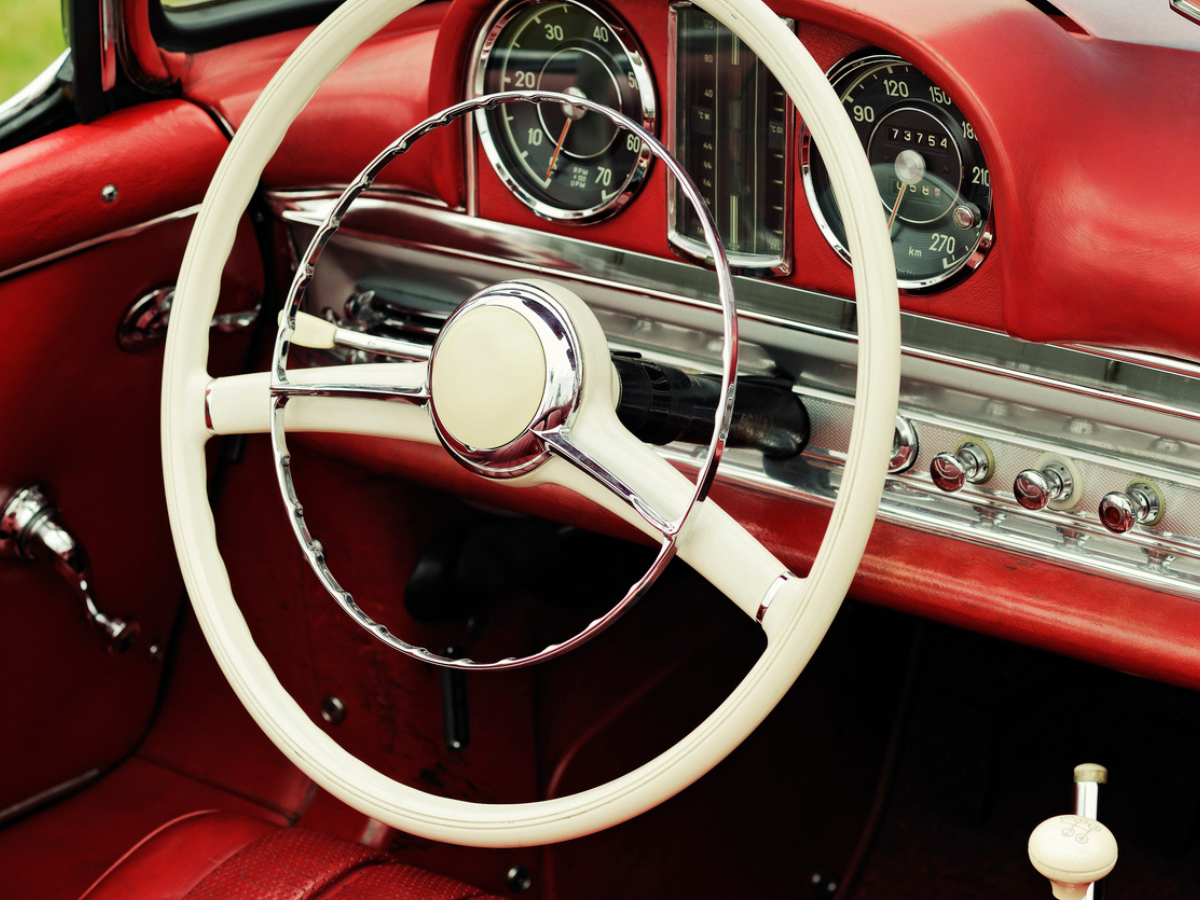
Classic car ownership usually comes with a certain level of pride and attention to detail. Owners often spend years restoring, maintaining, and protecting their vehicles. Insurance providers take notice of this care when determining eligibility for classic coverage, especially when owners follow best practices like those outlined in our blog Spring Tips for Classic Car Owners: Give Your Vintage Beauty the Care It Deserves
Condition, level of restoration, and overall presentation all help tell the story of how a vehicle is valued by its owner. Storage also plays a role. Cars kept in secure garages or protected storage are typically seen as lower risk, which can influence coverage options and costs.
Original And Modified Classics
Some classic car owners aim to keep everything as close to original as possible. Others prefer to add modern touches that improve comfort, safety, or performance while keeping the classic look and feel. Both approaches are common within the classic car community.
From an insurance perspective, originality is not the only factor that matters. Modified classics can still qualify for classic coverage as long as changes are clearly disclosed and thoughtfully done. Being open about modifications helps ensure the vehicle is insured for its true value and avoids surprises if repairs or claims ever come into play.
How You Use Your Classic Car Matters
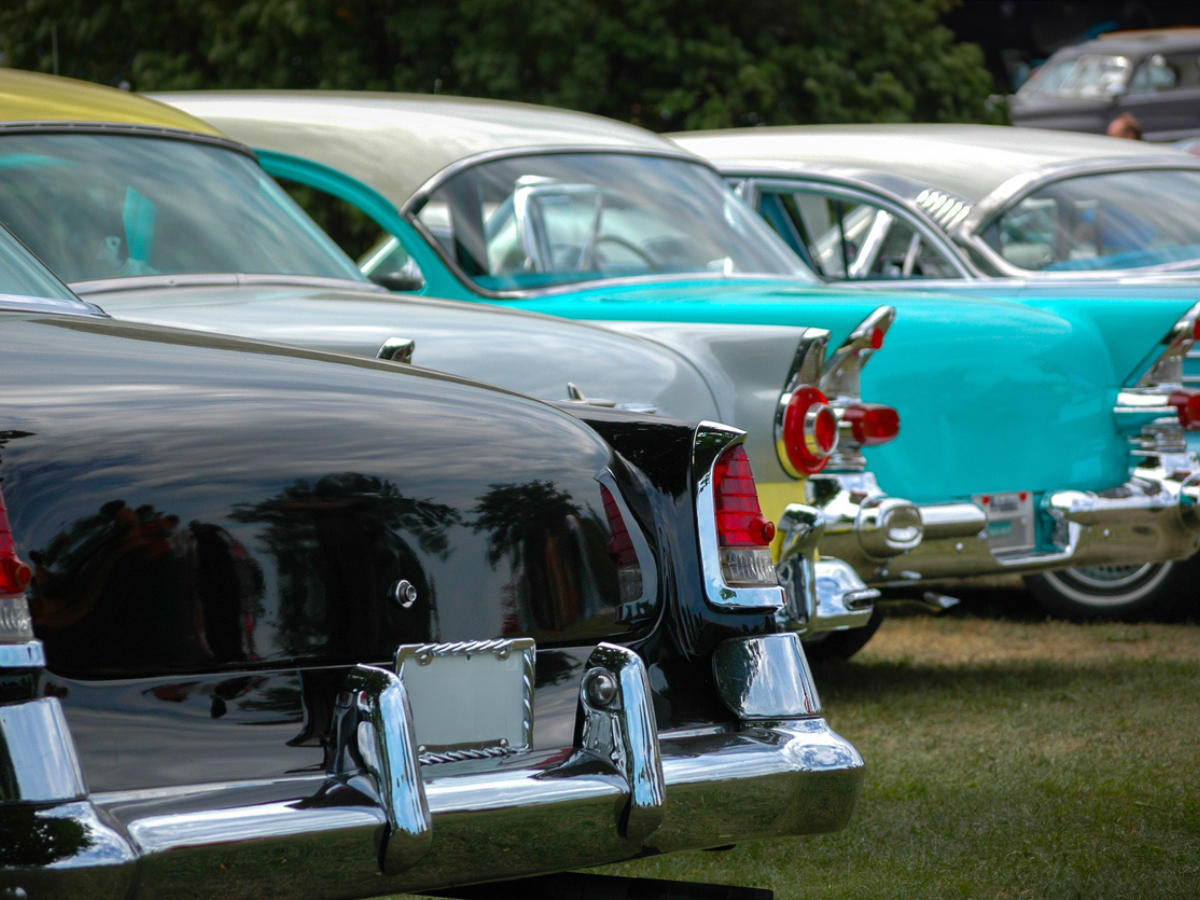
Most classic cars are not daily drivers, and that limited use is a key part of what separates them from standard vehicles. Owners often save their cars for weekend drives, car shows, special events, or quiet evenings when the weather is just right.
Because these vehicles spend less time on the road, they are generally exposed to fewer everyday risks like heavy traffic and harsh conditions. Insurance providers often ask about mileage and usage to make sure the coverage reflects how the car actually fits into your lifestyle.
How Classic Car Insurance Works
Classic car insurance is designed around the idea that these vehicles hold their value differently than regular cars. Instead of depreciating over time, many classic cars are insured based on an agreed value that reflects condition, restoration, and market interest, similar to how broader protections are explained in What Is Comprehensive Car Insurance?.
This approach provides peace of mind, especially when repairs can be costly or time consuming due to hard to find parts and specialized labour. Even when a classic car is parked, it still faces risks like theft, fire, or accidental damage, which is why having the right coverage matters even when the car is not being driven.
Does Your Car Qualify For Classic Car Insurance?
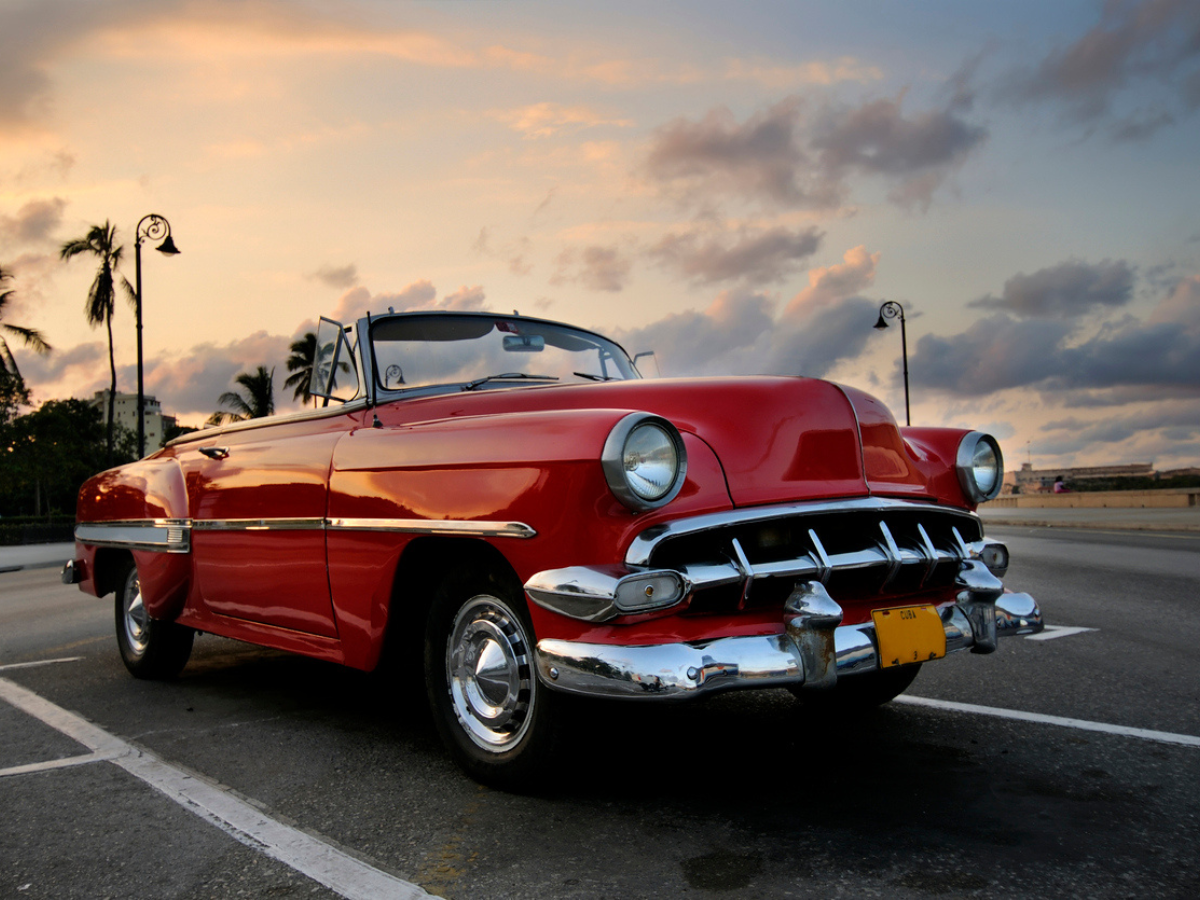
If you are unsure whether your vehicle qualifies as a classic for insurance purposes, you are not alone. Many owners fall somewhere in between categories, especially if their car is unique, limited, or especially well cared for.
Eligibility is based on a combination of factors including age, condition, usage, and overall character. Speaking with an insurance broker can help clarify where your car fits and ensure you find coverage that truly matches how you use and protect it.
Protecting Something That Means More Than A Car
Classic cars often represent years of work, personal history, and passion. They are not just vehicles sitting in a garage. They are projects, conversation starters, and pieces of automotive history that deserve thoughtful protection.
Choosing the right insurance allows you to enjoy your classic car with confidence. With coverage that reflects its value and the care you put into it, you can focus on the enjoyment rather than worrying about what might happen if the unexpected occurs.
Please note that the information in this article may not reflect your insurance policy with Sandbox or another company. For details about your specific coverage, please speak with your broker.