
Utility Trailer Insurance: Everything You Need To Know
Summary
Reading Time
9 min
A utility trailer can make life a whole lot easier. Whether you’re hauling a lawn mower, moving furniture, taking equipment to a job site or loading up for a weekend project, a trailer gives you extra room when your vehicle just isn’t enough.
But when it comes to insurance, it’s easy to assume your vehicle policy automatically has your trailer covered. That isn’t always the case. In this guide, we’re breaking down utility trailer insurance, what it can cover, whether you need it and what can affect the cost.
If you already own a trailer or are thinking about buying one, a Sandbox broker can help you understand your coverage options and make sure your insurance fits the way you use it. Find a Sandbox broker.covered today.
What Is Utility Trailer Insurance?
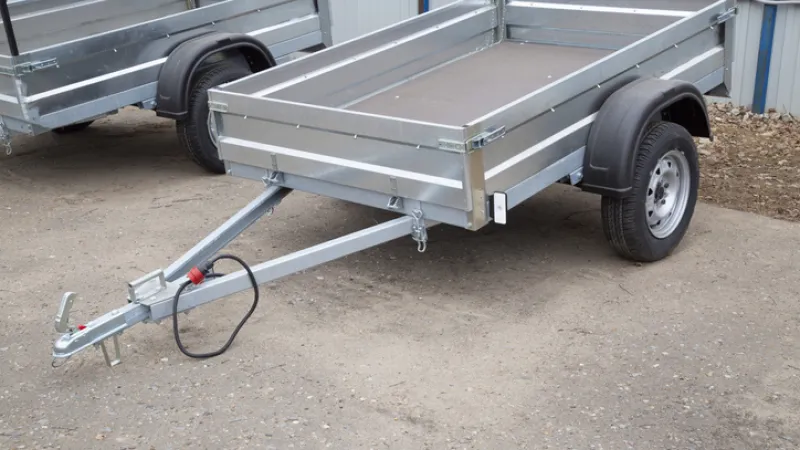
Utility trailer insurance is coverage designed to protect a trailer that you tow behind a vehicle. Utility trailers can be used for everything from hauling landscaping equipment and furniture to transporting recreational gear, building materials or other belongings.
Depending on the policy you choose, coverage may help protect your trailer against things like collision damage, theft, vandalism, fire and certain weather-related losses. Liability coverage may also be available if you’re legally responsible for injury to someone else or damage to their property.
Think of it as another layer of protection for something you own. Your trailer might spend most of its time parked in your driveway or beside your garage, but it can still be exposed to risks when you’re towing it, storing it or using it.
Does A Utility Trailer Need Insurance?
So, does a utility trailer need insurance? In short, it’s generally a good idea to have coverage. That said, the answer depends on where your trailer is registered, what type of trailer you have and how it’s being used. Registration and insurance are also two separate things, so meeting your province’s registration requirements doesn’t necessarily mean your trailer has all the insurance protection you need.
Even when separate physical damage coverage isn’t required, it can still be worth considering. If your trailer was stolen, damaged in a collision or destroyed by a covered loss, could you comfortably afford to replace it yourself? If the answer is no, having the right coverage could save you from a pretty expensive surprise.
Does Car Insurance Cover A Utility Trailer?
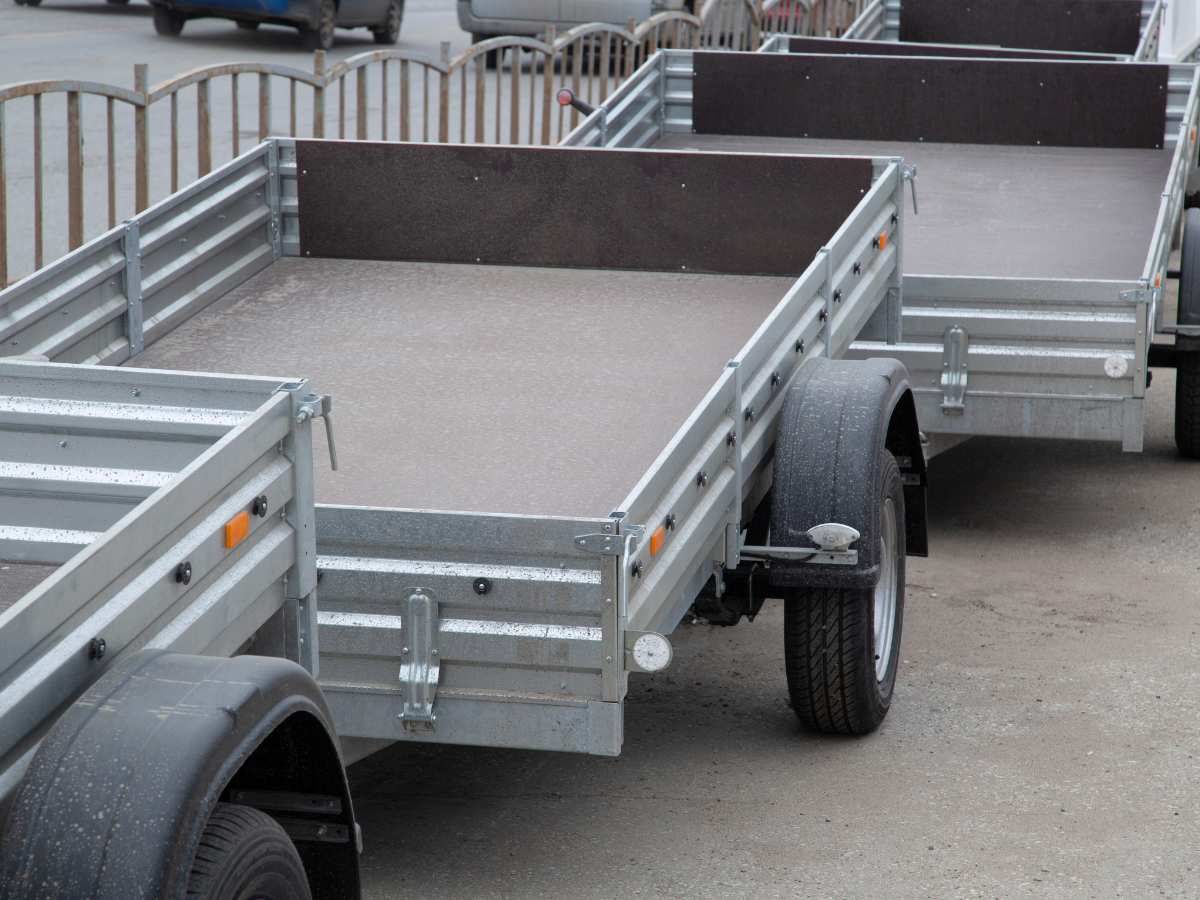
This is one of the most common questions trailer owners have. Your vehicle insurance may provide certain liability protection while you’re towing a trailer, but that doesn’t necessarily mean the trailer itself is covered against physical damage.
For example, if you accidentally back your trailer into a garage, you shouldn’t automatically assume your vehicle insurance will pay to repair the trailer. The same goes for theft or vandalism when the trailer is parked. Your exact coverage depends on your province and policy, so it’s always worth checking with your broker before you hit the road.
It’s also important to remember that coverage can work differently depending on whether your trailer is attached to your vehicle, parked at home or being stored somewhere else. Knowing where and when your trailer is covered can help prevent an unpleasant surprise when you need to make a claim.
What Does Utility Trailer Insurance Cover?
The coverage available for your trailer depends on the policy you choose, but it can include protection for both the trailer itself and your liability while using it. Depending on the policy, you may have options such as collision, comprehensive and third party liability coverage.
Collision coverage can help with eligible damage caused by a collision, while comprehensive coverage can help with certain losses that aren’t caused by a collision, such as theft, vandalism, fire or some weather related damage. Liability coverage can help if you’re legally responsible for injuring someone or damaging their property.
It’s also important to ask about anything you keep inside your trailer. Your trailer and its contents don’t necessarily have the same coverage, particularly if you’re carrying expensive tools, equipment, camping gear or business property.
What Types Of Trailers Can Be Insured?
“Trailer” can mean a lot of different things. A small open utility trailer used to haul a lawn mower has very different needs from an enclosed trailer carrying thousands of dollars in equipment. Not sure which type of trailer is right for you? Check out our guide to the different types of trailers and what they’re best suited for.
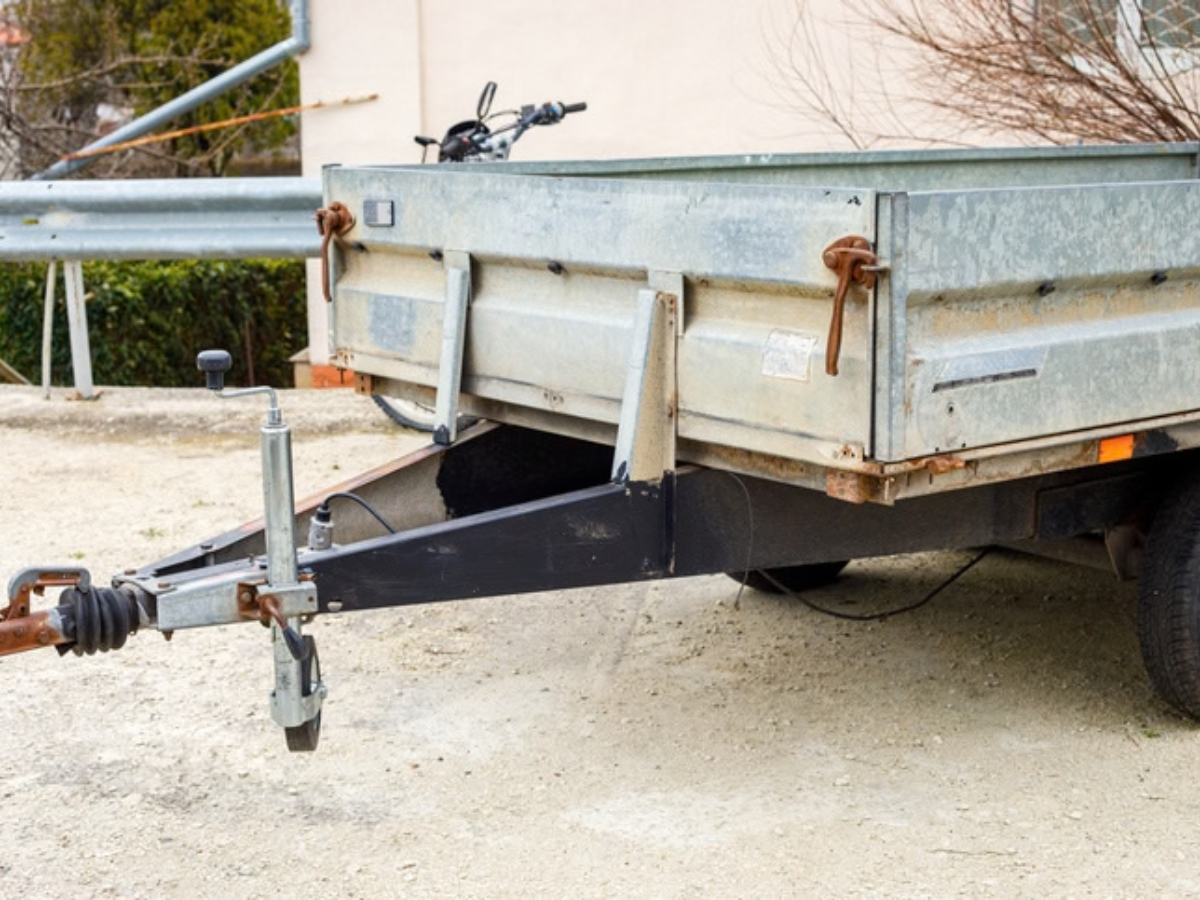
Depending on the insurer and province, coverage may be available for utility trailers, enclosed trailers, flatbeds, cargo trailers, boat trailers and recreational trailers. The type of trailer you own and how you use it can affect the coverage that makes sense for you.
If you’re not sure what category your trailer falls into, that’s exactly where a broker can help. Give them the details about your trailer, what you use it for and where it’s normally stored, and they can help you understand what type of coverage may be available.
What About Camper And Travel Trailers?
If your trailer is designed for camping or recreational use, you may need different coverage than you would for a basic utility trailer. Travel trailer insurance and camper trailer insurance can involve additional considerations because these trailers may contain living spaces, built in equipment and personal belongings.
The same goes for camper insurance, fifth wheels, tent trailers and toy haulers. If you’re using your trailer for camping or extended trips, let your broker know how you use it so they can help you understand which coverage options are appropriate.
A trailer that doubles as your home away from home can also carry more valuable belongings than a basic utility trailer. From camping equipment and outdoor gear to appliances and personal items, it’s worth understanding what is covered and whether any limits or exclusions apply.
What About Cargo Trailers?
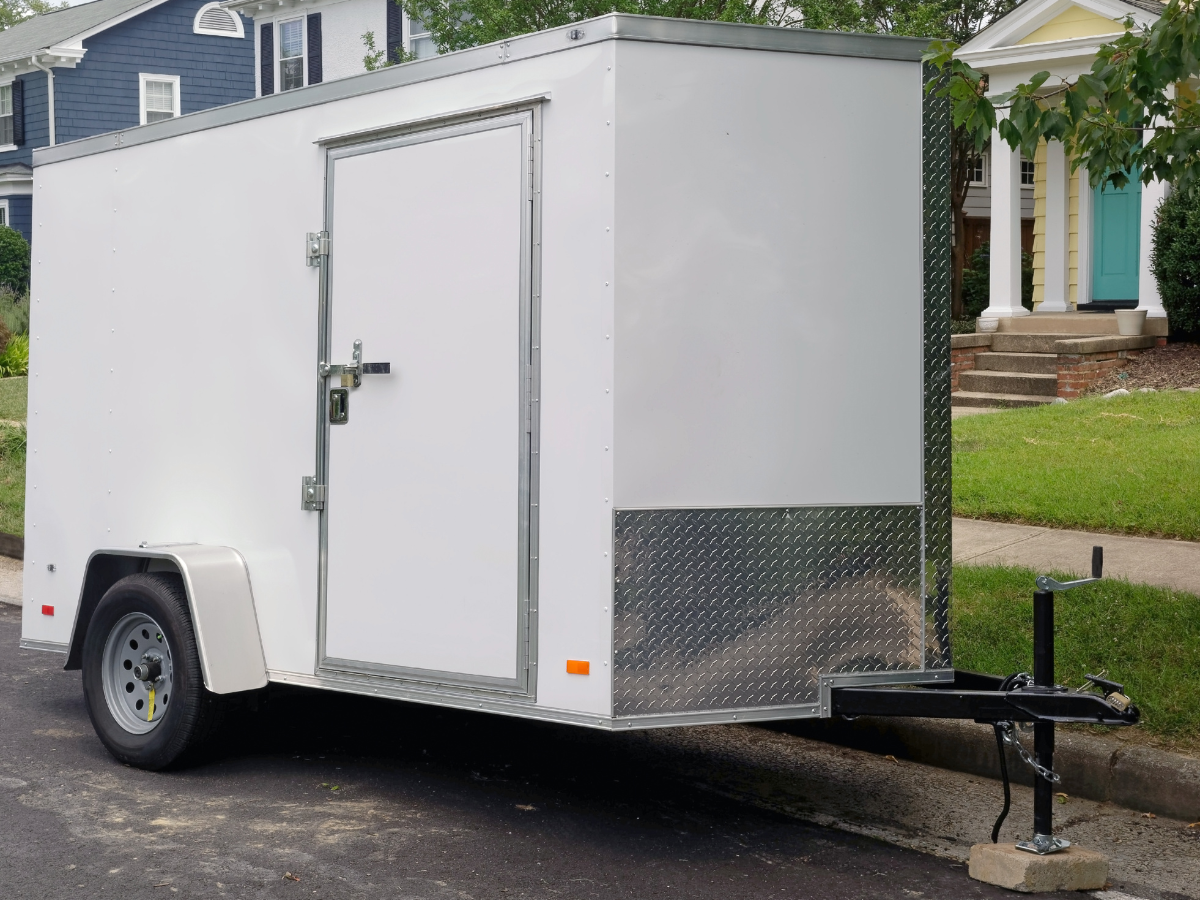
Cargo trailers are another common type of trailer and can be used for everything from moving belongings to transporting tools and equipment. If you’re looking for cargo trailer insurance, it’s important to consider not only the trailer itself but also what you’re carrying inside it.
A cargo trailer used for personal projects may have different insurance needs than one used by a contractor to transport tools for work. If the trailer is being used for business, make sure your broker knows so they can help you find coverage that fits the situation.
This is especially important when the contents are worth more than the trailer itself. A trailer may be insured for its replacement value, but that doesn’t automatically mean every item inside it has the same protection.
How Much Is Trailer Insurance?
So, you’re wondering, “how much is trailer insurance?” While there isn’t one price that applies to every trailer, you can generally expect to pay around $250 to $1,000 or more per year for trailer insurance, depending on your trailer and the coverage you choose. The cost can vary based on the trailer’s value, type, where it’s registered, how it’s used and the coverage you select.
For example, a small utility trailer worth a few thousand dollars could have a very different premium from a large enclosed cargo trailer worth tens of thousands. Your deductible and coverage limits can also affect the price, which is why getting a personalized trailer insurance quote is the best way to understand what your coverage will cost.
It can also be helpful to think about the cost of insurance alongside the value of the trailer itself. If you’ve invested a significant amount into your trailer or use it regularly, paying for the right protection may be worthwhile compared with taking on the full cost of a major loss yourself.
What Affects The Cost of Trailer Insurance?
Think of trailer insurance much like vehicle insurance. The insurer looks at the trailer, how it’s being used and the level of protection you’re choosing when determining the premium.
Some of the factors that can affect the cost include:
• The type and value of the trailer
• Where the trailer is registered and primarily stored
• How the trailer is being used
• The coverage and liability limits you choose
• Your deductible
• Whether the trailer is used personally, recreationally or for business
Business use can also affect the type of coverage you need, so make sure your broker knows exactly what you use your trailer for. Being upfront about how the trailer is used helps ensure you’re looking at coverage that actually matches your situation.
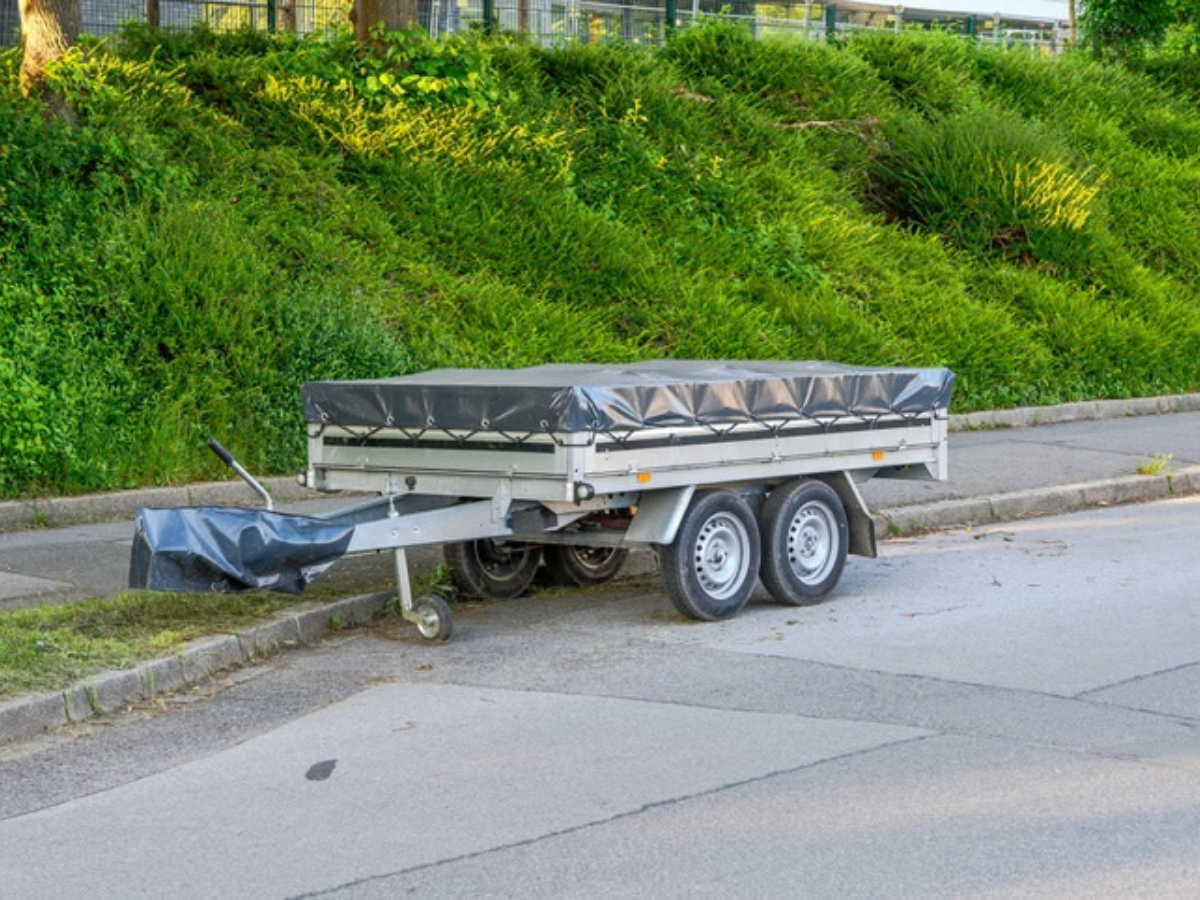
Utility Trailer Insurance Can Vary By Province
Trailer insurance requirements can vary across Canada, which is why information that applies in one province may not apply in another. Saskatchewan and Manitoba each have their own rules around trailer registration and insurance.
In Saskatchewan, for example, SGI offers full registration for eligible trailers that includes insurance, while certain trailers can have perpetual registration that doesn’t include insurance. Manitoba has its own registration and insurance requirements as well. If you’re looking for utility trailer insurance in Saskatchewan or Manitoba, check with a broker about the rules that apply to your specific trailer.
This is particularly important if you move between provinces or purchase a trailer in another province. The requirements you’re used to may not be the same once your trailer is registered somewhere else, so it’s worth checking before making assumptions about your coverage.
Do You Need Insurance For A Trailer Used For Business?
If you use your trailer for work, don’t assume a personal trailer policy is automatically the right fit. A contractor hauling tools, a landscaper transporting equipment or a business using an enclosed trailer may have different insurance needs from someone using a trailer for weekend projects.
The contents can also be important. A $10,000 trailer carrying $30,000 worth of tools is a very different risk from an empty utility trailer. Talk to your broker about both the trailer and what you’re carrying inside it so you can understand whether your business insurance provides the protection you need.
A Few Things To Check Before You Tow
Insurance is important, but safe towing starts before you leave the driveway. Before heading out, make sure your hitch is properly connected, your safety chains are secure, your tires are in good condition and your lights are working.
You’ll also want to make sure your vehicle can safely tow the loaded trailer and that your cargo is properly secured. Transport Canada provides information on safety standards for trailers, including requirements related to lighting and other trailer equipment. Taking a few minutes to check everything before you leave can help prevent problems once you’re on the road.
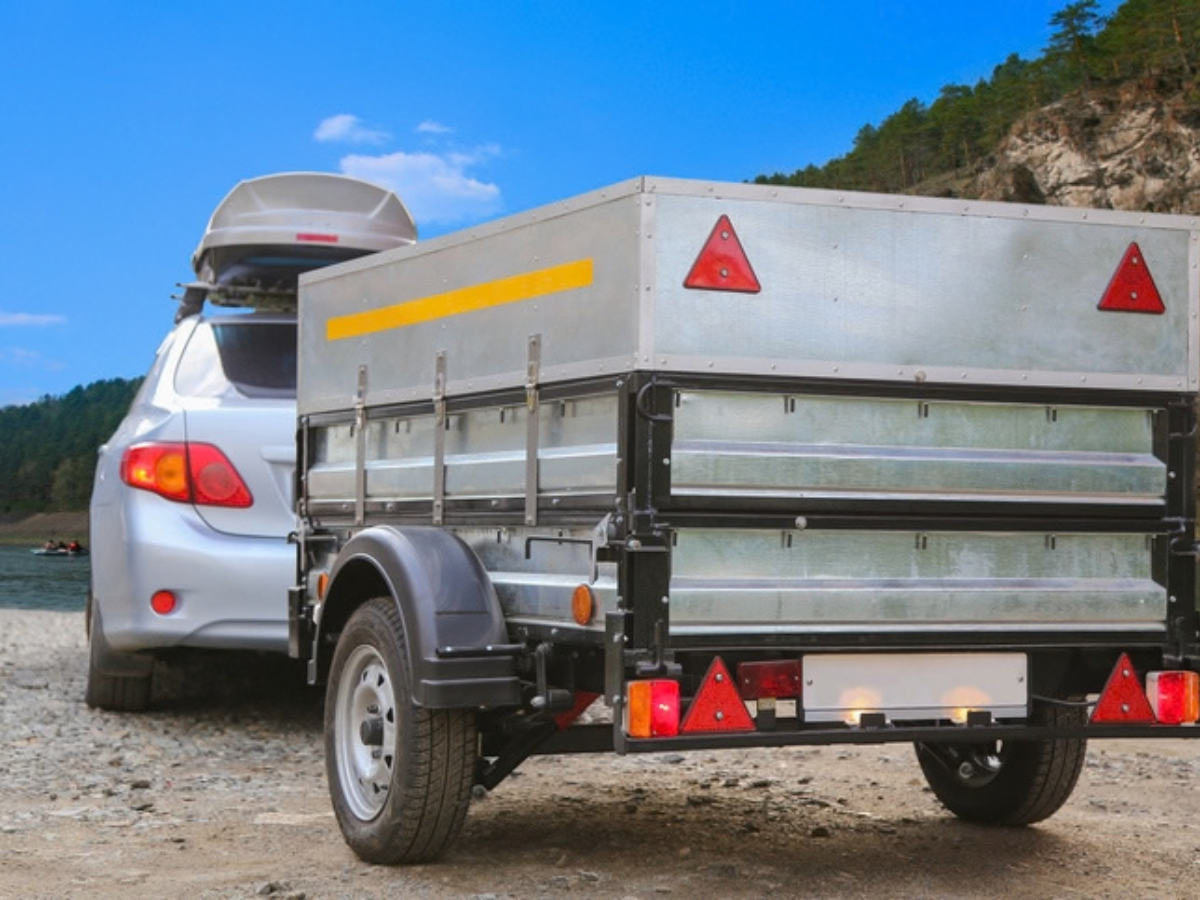
Common Utility Trailer Insurance Mistakes
One of the biggest mistakes trailer owners make is assuming their vehicle insurance automatically covers everything. While there may be some liability protection while towing, that doesn’t necessarily mean the trailer is protected against theft, collision or other physical damage.
It’s also easy to assume your home insurance covers a trailer simply because it’s parked in your driveway. Instead of guessing, ask your broker what coverage applies while your trailer is being towed, parked and stored. It’s much easier to clear up a coverage question before something happens than after.
Protect Your Trailer With The Right Coverage
A utility trailer might not be the biggest thing sitting in your driveway, but replacing one after a major loss can still be a significant expense. Whether you use yours for weekend projects, hauling equipment, camping trips or work, having the right utility trailer insurance coverage can help protect your investment.
At Sandbox, we believe insurance should be delightfully simple. If you’re unsure whether your trailer is properly insured or you’re buying a new one, a Sandbox broker can walk you through your options and help you find coverage that fits the way you actually use your trailer.
The information in this article is provided for general informational purposes only and may not reflect the specific details of your insurance policy. Coverage varies between insurers and provinces. Always review your policy documents or speak with your broker about your individual insurance needs