

Landlord Insurance vs. Home Insurance vs. Tenant Insurance: What's the Difference Between Renters and Rentals?
Summary
Reading Time
3 min
Whether you're buying your first home, signing a lease for your dream apartment, or turning a property into a rental investment, insurance can feel a little overwhelming. Understanding the difference between renters and rental insurance can help prevent expensive surprises when life throws you a curveball. Let's break it down.
Home Insurance: For the People Who Own and Live in the Home
If you own your house and live in it, Home Insurance is your go-to policy.
Home insurance is designed to protect both the structure of your home and the belongings inside it. It can also provide liability coverage if someone is injured on your property.
A typical home insurance policy may help cover:
- Your house and attached structures
- Detached structures like garages or sheds
- Personal belongings
- Liability claims
- Additional living expenses if your home becomes temporarily uninhabitable after a covered loss
If you're a homeowner, you may also want to learn more about seasonal property insurance, when to update your home policy and home maintenance tips to help reduce your risk and keep your home protected year-round.

Tenant Insurance: For People Who Rent Their Home
Many tenants assume their landlord's insurance covers everything inside the rental unit. Unfortunately, that's one of the most common insurance myths out there.
Tenant Insurance protects the renter, not the building.
That means your furniture, electronics, clothing, sports equipment, and other personal belongings could be covered if they're damaged or stolen due to a covered event. Tenant insurance also includes liability coverage and can help with temporary living expenses if you can't stay in your rental after an insured loss.
For example:
- A fire damages your apartment and your belongings.
- A pipe bursts and ruins your laptop and furniture.
- Someone slips and gets injured while visiting your rental.
- A break-in results in stolen electronics.
In these situations, tenant insurance may help protect your finances when unexpected events happen.
The good news? Tenant insurance is often one of the most affordable types of property insurance available.
If you're moving into your first rental, check out our article on What to Expect as a First-Time Renter for additional tips on leases, budgeting, and getting settled into your new place.

Landlord Insurance: For People Who Own a Rental Property
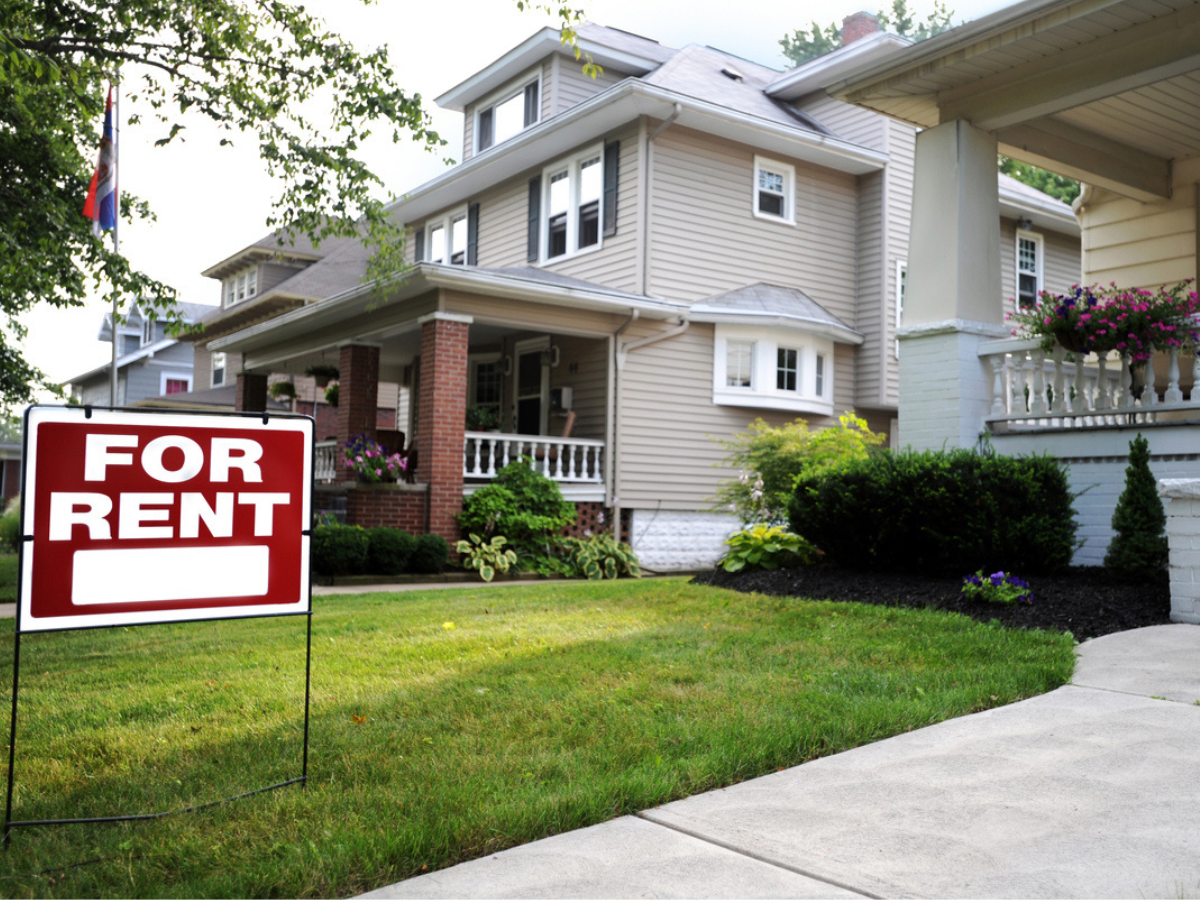
If you own a property but someone else lives there, standard home insurance usually isn't enough. That's where Landlord Insurance comes in.
Landlord insurance is specifically designed for rental properties and helps protect property owners from risks associated with renting out their homes. Coverage can include:
- The rental dwelling itself
- Appliances or fixtures owned by the landlord
- Premises liability
- Loss of rental income following a covered claim
Some policies may also offer optional coverages such as sewer backup or tenant vandalism.
Imagine your rental property suffers significant fire damage and your tenant has to move out temporarily. In addition to repairing the property, landlord insurance may help cover lost rental income while repairs are being completed.
That's protection that a standard home insurance policy may not provide for a rental property. Here are more tips and The Essentials for First-time Landlords.
Why Landlords Should Still Require Tenant Insurance
Even if you have landlord insurance, encouraging or requiring tenant insurance can benefit everyone involved.
Tenant insurance helps renters protect their belongings and provides liability coverage if they accidentally cause damage or injury. Many landlords choose to require proof of tenant insurance before move-in because it can help reduce disputes and ensure tenants have their own financial protection in place.
Think of it as teamwork: both parties have coverage designed for their specific responsibilities. It's always a good idea to familiarize yourself with regulations before signing a lease or renting out a property.
Need Help Finding the Right Coverage?
Insurance doesn't have to be complicated.
Whether you're moving into your first apartment, purchasing a home, or becoming a landlord for the first time, we can help you understand your options and find coverage that fits your needs and budget.
Reach out to a Sandbox broker today and let's make sure your property and your peace of mind are properly protected.

FAQs
Does my landlord's insurance cover my belongings?
No. Landlord Insurance protects the property owner and the building itself. To protect your personal belongings, you'll need tenant insurance.
Can I use home insurance for a rental property?
Typically, no. Rental properties usually require landlord insurance because the risks associated with renting are different from owner-occupied homes.
Is tenant insurance required in Canada?
Tenant Insurance is generally not required by law, but many landlords require it as part of the lease agreement. Even when it isn't required, it's highly recommended to help protect your belongings and liability.