
Insuring A Restored Vehicle? What You Need To Know
Summary
Reading Time
4 min
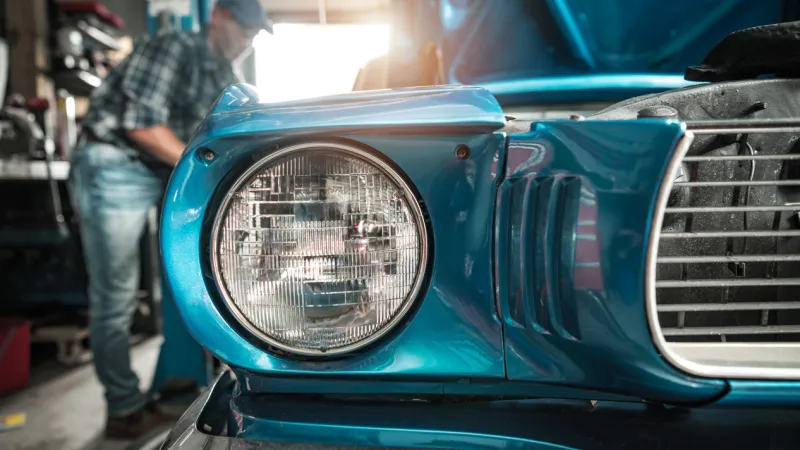
There is something incredibly satisfying about restoring a vehicle. It might start as a dusty garage find, a long forgotten family car, or a project you picked up just because you saw potential in it. Slowly, piece by piece, it comes back to life. Fresh paint. Rebuilt engine. Polished chrome. That first drive after months or even years of work feels like a major accomplishment.
For many owners, a restored vehicle is not just transportation. It is a hobby, a creative outlet, and sometimes even a lifelong dream. When you have invested that much time, effort, and money into sourcing parts, rebuilding components, and perfecting every detail, making sure it is insured properly becomes part of protecting the entire journey understanding the insurance terms you need to know.
Restored Vehicles Are Not Like Everyday Vehicles
Most vehicles on the road are insured based on Actual Cash Value. In simple terms, that means they decrease in value over time. Standard auto insurance is built around depreciation, which makes sense for vehicles used daily, driven year round, and replaced every few years when something newer comes along.
Restored vehicles often follow a different path. Depending on rarity, condition, craftsmanship, and market demand, some may increase in value over time. Instead of focusing only on age, Classic Car insurance considers the vehicle’s restored condition and appraised worth, which can better reflect the real financial and personal investment behind it.
What Qualifies as a Classic or Collector Vehicle?
At Sandbox, eligibility starts with age, but it does not end there.
• A classic vehicle must be 15 years or older
• An antique vehicle must be 30 years or older
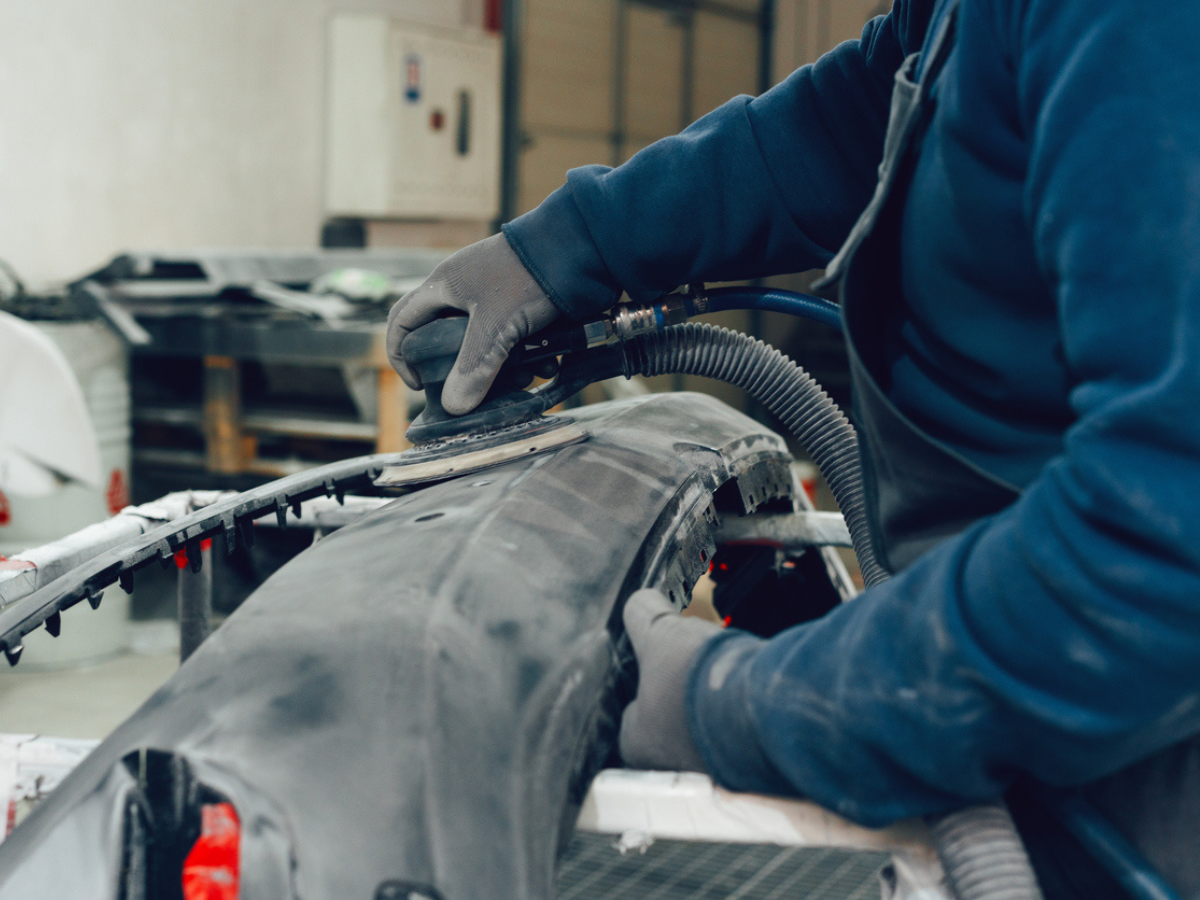
Age alone is not enough. How the vehicle is used matters just as much. Classic vehicles are typically reserved for exhibitions, club activities, parades, hobby drives, and special occasions rather than everyday commuting. Owners must also have another primary vehicle for daily transportation, and storage arrangements and annual kilometres driven can factor into eligibility. This type of usage plays a big role in how classic cars are defined for insurance.
What Makes Classic Car Insurance Different?
Classic Car insurance is designed specifically for vehicles that are carefully maintained and driven occasionally. Because they are not exposed to the same daily risks as commuter vehicles, the structure of the coverage reflects hobby use rather than full time road use.
With Sandbox Classic Car coverage, you can expect:
• Road hazard glass automatically included under comprehensive coverage
• Coverage designed around hobby and occasional use
• Insurance based on the vehicle’s appraised value
That appraised value plays an important role in helping ensure your restored vehicle is insured for what it is truly worth today, not simply what a depreciation table says it should be worth.
Why Appraisals and Modifications Matter
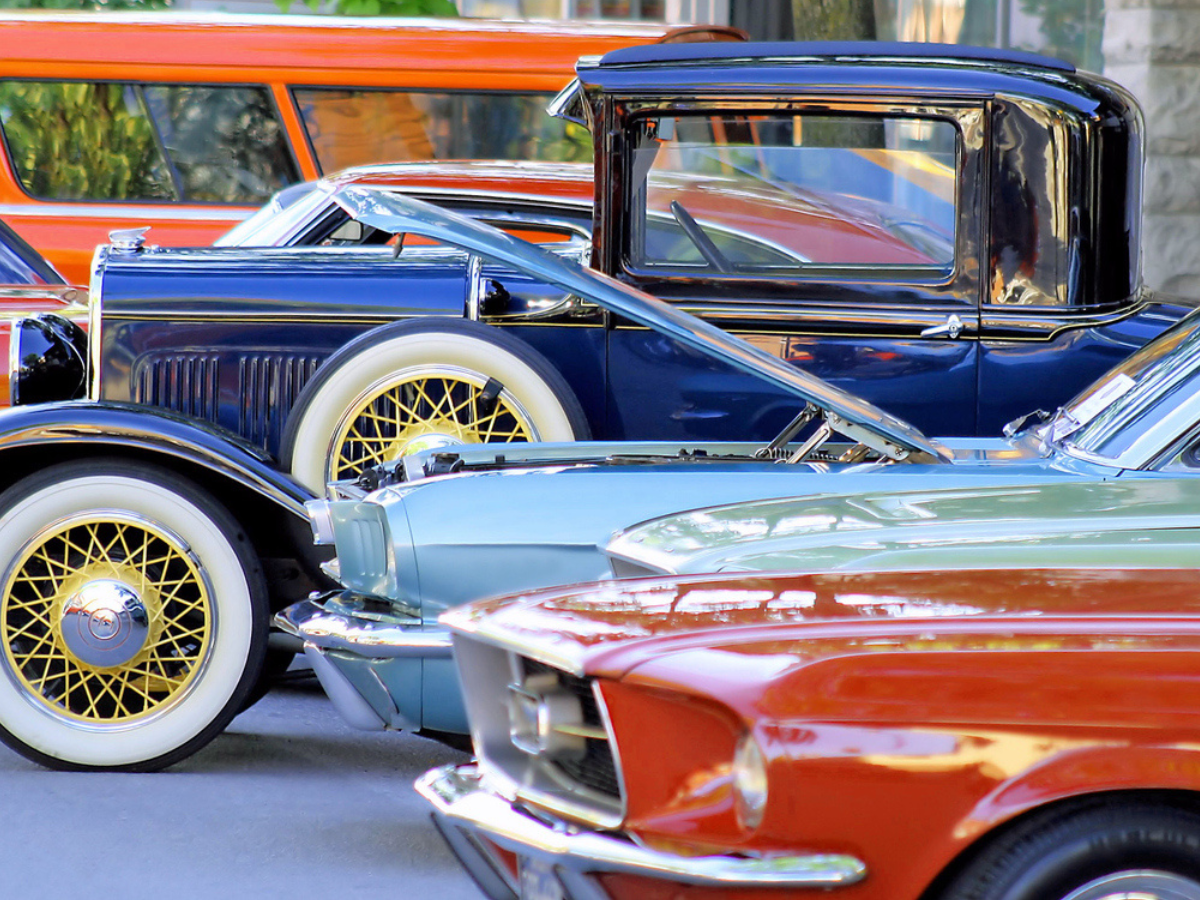
An appraisal documents your vehicle’s condition, quality of restoration, originality, and overall market value. It helps determine your premium and sets the insured amount, making sure your investment in parts, labour, and time is accurately reflected in your policy.
Modifications can also impact eligibility. Under Sandbox guidelines, a vehicle can typically qualify if it has:
• One major modification
• Or two minor modifications
If there are more significant changes, eligibility may be affected because valuation becomes more complex. Being upfront about upgrades or performance changes allows your broker to confirm eligibility and make sure your coverage aligns properly with your vehicle.
Storage and Care Expectations
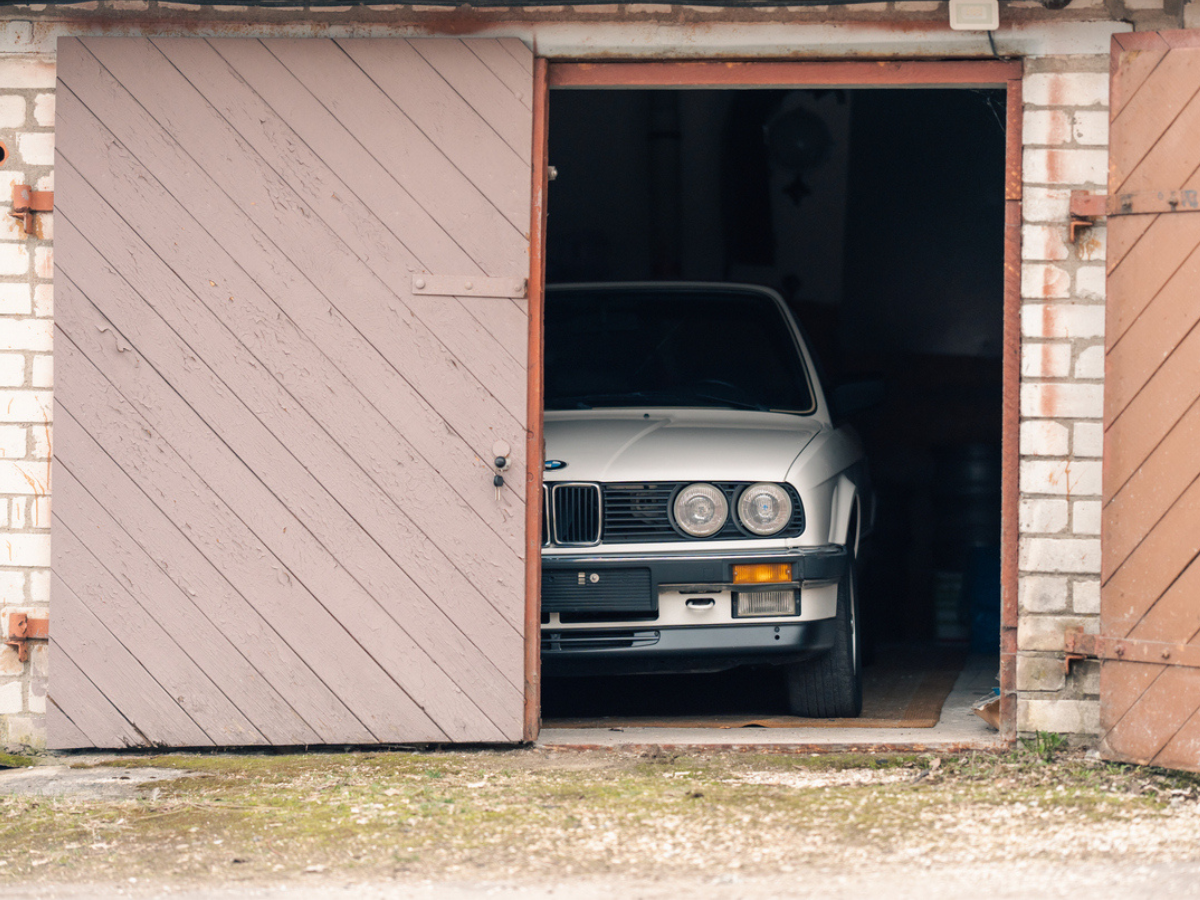
Classic vehicles are expected to be stored securely when not in use. A locked garage or protected storage space helps reduce risks such as theft, vandalism, and weather related damage. Proper storage is one of the simplest ways to protect both your vehicle and your insurance eligibility.
Insurance is about managing risk, and how you care for your vehicle makes a difference. A well maintained hobby vehicle that is driven occasionally and stored properly presents a different risk profile than one used year round in all conditions. Keeping your restored vehicle preserved as intended supports both its long term value and its insurability.
What If Your Project Is Still in Progress?
Restoration projects can take time, and many vehicles spend months or even years in the garage before they are road ready. Even during this phase, they can still be exposed to risks like fire, theft, or accidental damage while in storage or during transport to a shop.
Speaking with a broker early in the process can help you understand what coverage options may be available while your vehicle is still being completed. Protecting your investment from the beginning can provide peace of mind long before that first drive and help ensure you are not left unprotected during the build.
The Bottom Line
Restoring a vehicle is about passion, pride, and preserving something meaningful. Whether it is a weekend cruiser, a showpiece, or a family heirloom brought back to life, it represents more than just metal and mechanics. It represents effort and dedication.
If you are unsure whether Classic Car insurance is the right fit, your broker can walk you through eligibility requirements, explain how appraisals work, and review coverage details with you. The right policy helps ensure your restored ride is protected in a way that reflects its true value and how you actually use it.
Please note that the information in this article is provided for general informational purposes only and may not reflect the specific details of your insurance policy. Coverage varies between insurers and provinces. Always review your policy documents or speak with your broker about your individual insurance needs.