Dairy Farm Loss Control Tips
Summary
Reading Time
4 min
Running a dairy farm is no small task. Between caring for your herd, maintaining equipment, managing feed crops, and keeping operations running smoothly, there’s always something that needs attention. But when it comes to protecting your farm from loss whether from fire, equipment failure, contamination, or unexpected downtime a strong loss-control strategy can make all the difference! Having the right protection in place through Farm Insurance helps support safer, more resilient farm operations.
Keep Your Primary Barn Clean, Organized & Well-Ventilated
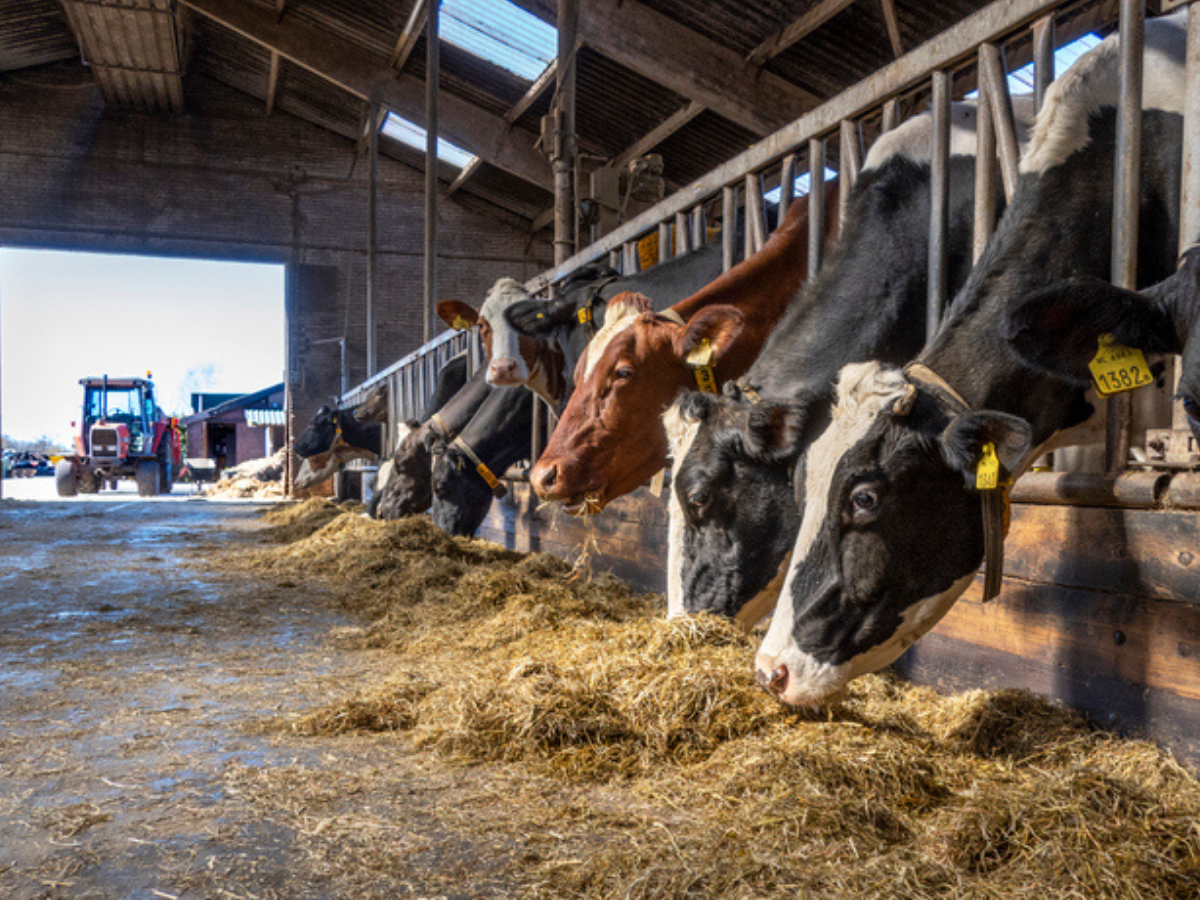
The primary barn is the heart of your dairy operation. From livestock housing to milking equipment to milk storage, every part of this space must function smoothly to avoid both health and property risks. Many of these risks are also covered in Starting a Hobby Farm: Key Steps and Insurance Tips for the Canadian Prairies.
Tips to help reduce exposure:
- Maintain a consistent barn-cleaning schedule to prevent bacterial growth, contamination, and property damage.
- Clean stalls and bedding daily.
- Perform deep cleaning, including power washing and disinfecting monthly to maintain herd health and protect the building.
- Ensure proper barn ventilation is essential. Farms may rely on curtain windows, ceiling fans, or exhaust systems to ensure clean airflow through livestock areas.
Maintain & Inspect Milking Equipment Regularly
Your milking system is one of the most important parts of your operation and also one of the most expensive to repair. Failures can lead to delays, contamination, or milk spoilage. This is where specialized protection like Equipment Protection is especially valuable.
Common systems include:
- Manual or pipeline milking systems
- Rotary parlours
- Automated milking systems (AMS) rare but highly efficient in Saskatchewan
Regardless of which you use, all milking equipment should be cleaned daily, disinfected weekly, and inspected annually by qualified technicians to prevent mechanical failure or bacterial growth.
Protect Milk Storage & Processing Areas
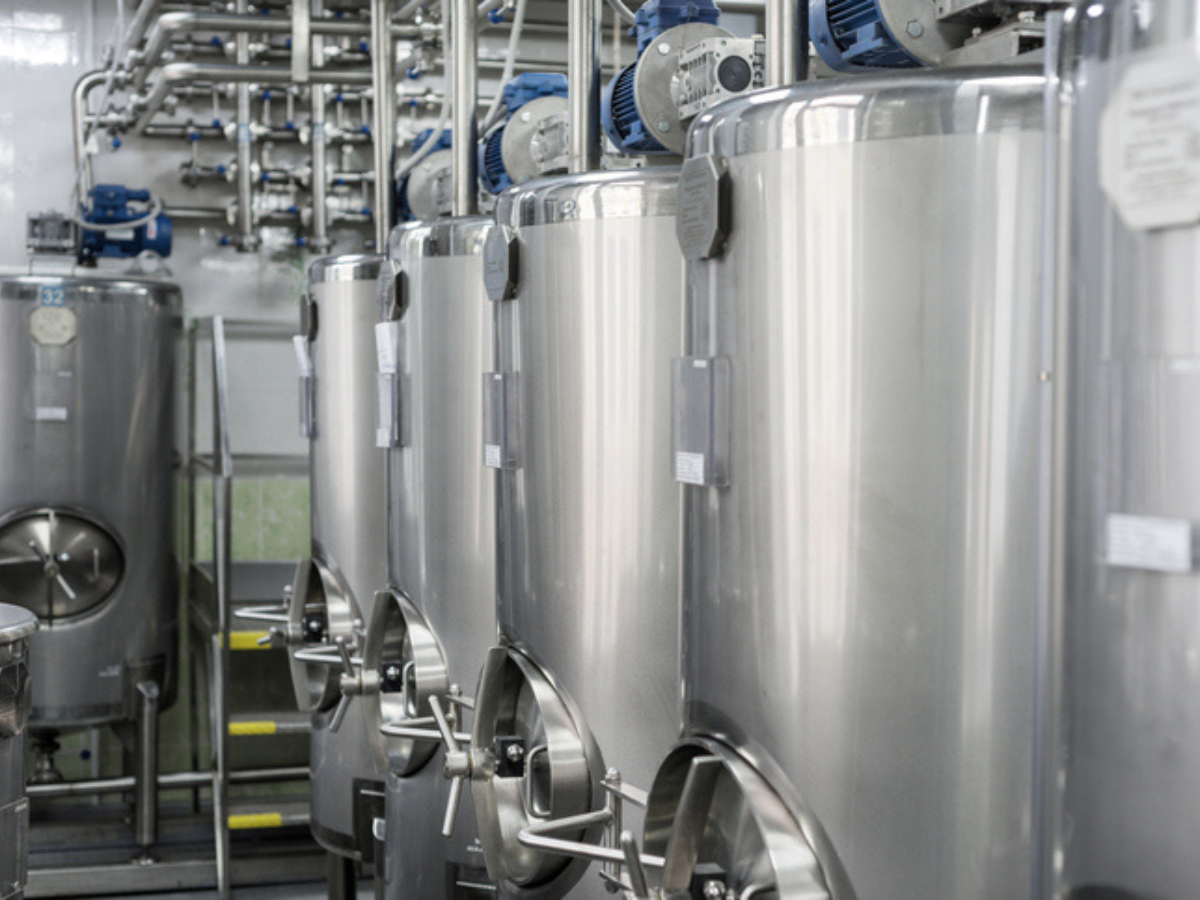
Milk must be stored at 4°C or colder to prevent spoilage and contamination.
To reduce storage-related losses:
- Clean and sanitize tanks regularly
- Keep a consistent milk pick-up schedule
- Install back-up power for refrigeration
- Inspect temperature controls frequently
A generator connected to your milk tanks is one of the most valuable investments you can make. Whether powered by diesel or natural gas, it ensures operation continuity during outages especially in rural areas where power interruptions are more common.
Monitor Access & Improve On-Site Safety
Dairy farms see regular traffic from workers, family members, contractors, and delivery drivers. Untrained visitors may not fully understand farm safety.
Improve site safety with:
- Install farm safety signage
- Restrict access to livestock areas and hazard zones
- Keep a visitor logbook to track who is onsite
These steps protect both your property and the people on it.
Test Water Annually & Maintain Herd Health
Healthy cattle produce more milk and safer milk. Water quality directly impacts herd performance and health. Annual water testing is essential, especially for farms with private wells. In Saskatchewan, testing is available through the Saskatchewan Research Council, but each province has designated testing providers.
Vaccination & Quarantine Practices
- Keep your herd vaccinations up to date
- Quarantine sick animals when needed
- Ensure calf barns are heated and well-ventilated
- Keep bedding and feeding equipment clean
These practices reduce disease spread and protect milk quality.
Additional Hazards: Grain, Chemicals & Manure
Dairy farms often include operations beyond the barn. Loss risks commonly arise from grain operations, chemical storage, and manure systems.
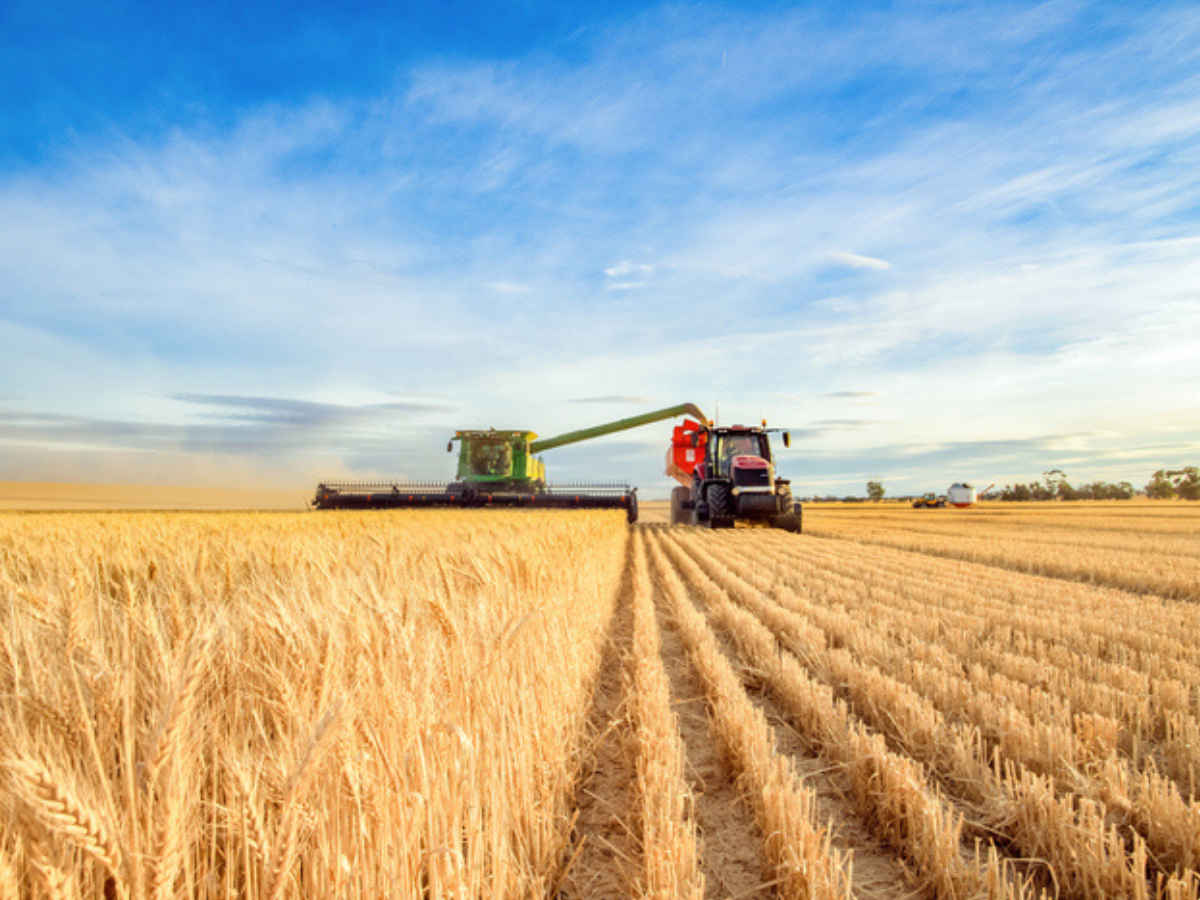
Grain & Feed Production
Grain cleaning and processing create dust, which is a major fire hazard. Regular cleaning, proper lighting, and accessible fire extinguishers are essential in these areas .
Chemical Storage
Keep fertilizers, pesticides, and herbicides:
- In designated storage buildings
- On spill trays
- In ventilated areas
- With restricted access
- Away from livestock and water sources
Manure Management
Manure pits and slurry tanks should be fenced, covered, and pumped out by a contractor semi-annually or annually. These areas present both environmental hazards and safety risks for workers and livestock.
Inspect Outbuildings & Machinery Regularly
Dairy properties often include multiple outbuildings such as:
- Machine sheds
- Grain bins
- Workshops
- Calf barns
- Generator buildings
- Cattle shelters
To reduce loss exposures:
- Inspect electrical systems
- Ensure grain bins have proper anchoring and safety signage
- Store flammable liquids safely
- Maintain hot-work stations (welding) with proper precautions
- Keep machinery in good condition
Regular inspections not only reduce breakdowns and fire risk, they’re also a smart time to confirm your insurance coverage still reflects your current buildings and equipment. Practical tools like the Farm Insurance Checklist: Important Steps when Checking and Updating Your Coverage in Canada can help guide those periodic coverage reviews.
Make Fire Prevention a Priority
Fires are one of the most devastating risks for dairy farms. Fire prevention measures are also reinforced in our blog: Weathering the Canadian Prairie Storm, where emergency preparedness and loss prevention are key themes.
Key steps include:
- Installing fire extinguishers in every building
- Ensuring safe electrical systems
- Storing hay in separate or fire-resistant locations
- Keeping fuel tanks protected with barriers
- Maintaining adequate distance between buildings
- Posting no smoking and hazard signage around grain bins
Even simple actions like updating old wiring or securing fuel hoses can prevent major losses.
A dairy farm relies on many interconnected systems from barn operations to milking equipment to grain management. Strong loss control strategies ensure these systems stay safe, reliable, and productive.
By investing time into cleaning routines, equipment maintenance, fire prevention, chemical safety, and visitor management, dairy farmers protect their herds, their investment, and their long-term success.
At Sandbox Mutual Insurance, we know that every dairy farm runs a little differently and your insurance should reflect that. Our farm policies are built to protect the essential parts of your operation, from barns and equipment to milk storage, livestock, and liability. Whether you’re upgrading your loss-control practices or looking for coverage that actually fits the way you work, a Sandbox broker can help you build a policy that keeps your farm protected and productive year-round.
Please note that the information in this article may not reflect your specific insurance policy with Sandbox Mutual Insurance or another insurer. Always refer to your policy documents or speak with your broker about your individual coverage needs.

FAQ'S
How often should I inspect my dairy farm equipment?
Check equipment daily for wear, clean weekly, and get a professional inspection once a year.
What are the most common fire hazards on a dairy farm?
Grain dust, old wiring, hay storage, and hot-work like welding. Keep fire extinguishers handy and do regular checks. A broker can help tailor your policy and add fire coverage, so you’re fully protected if the unexpected happens.
How can I ensure my herd stays healthy and productive?
Keep barns clean, test water yearly, vaccinate on time, quarantine sick animals, and make sure ventilation and feed are good.