

Contractor Insurance Requirements By Trade: What You Need To Know
Summary
Reading Time
5 min
When it comes to keeping our homes, businesses, and communities running smoothly, contractors are the real MVPs. From carpenters building dream decks to electricians wiring new homes, tradespeople play a massive role across Canada. But whether you’re installing shingles, pouring concrete, or fixing someone’s plumbing emergency at 2 a.m., there’s one thing every contractor needs in their toolkit: the right insurance.
Contractor insurance isn’t exactly the fun part of running a trade business. It’s no power drill or fancy laser level. But it’s one of the most important. Proper coverage protects your tools, your projects, your customers, and your reputation, and each trade comes with its own unique risks and requirements.
Why Contractor Insurance Matters
Contracting work is hands-on, fast-paced, and sometimes unpredictable. One wrong turn of a wrench, one accidental spark, or one slippery patch of ice can turn into a costly situation very quickly. That’s where insurance steps in, not just to cover damage, but to keep your business running.
Most contractors look at insurance for a few key reasons
• Protecting valuable tools and equipment
• Providing coverage if accidents happen during a job
• Meeting licensing, permit, or client requirements
• Reducing financial risk from lawsuits, injuries, or unexpected setbacks
Some clients, especially commercial ones, won’t let you on-site without proof of insurance. Many Canadian provinces and municipalities also have specific insurance expectations depending on your trade. At Sandbox, we’re proud to support contractors across the Prairies by helping them understand risk and protect the work they’re proud of.
Insurance Requirements by Major Trades
Every trade has different hazards, tools, and day-to-day responsibilities. That means insurance isn’t one size fits all. Here’s a breakdown of common trades and what contractors typically need to stay protected in Canada.
Carpenters and Construction Contractors
Carpenters work with power tools, heights, heavy materials, and sometimes entire building structures, so risks can add up quickly.
Common risks
• Accidental damage to a client’s property
• Injuries from saws, nail guns, or ladders
• Weather related damage to in-progress projects
• Theft of tools from job sites
Key coverages
• Commercial General Liability coverage
• Tools and equipment insurance for hand tools and power tools
• Installation floater coverage to protect materials on-site
• Commercial auto coverage if you transport lumber and gear

Electricians
Electricians deal with hazards that can escalate quickly. Wiring errors, fire risks, and high-voltage equipment all mean that proper coverage is essential.
Common risks
• Electrical fires caused during work
• Damage to walls or structures while accessing wiring
• Customer injury from improperly wired fixtures
Key coverages
• Commercial General Liability coverage
• Errors and Omissions coverage for mistakes in wiring or design
• Equipment insurance for testers and meters
• Commercial auto coverage if your van doubles as a rolling workshop
Plumbers and HVAC Technicians
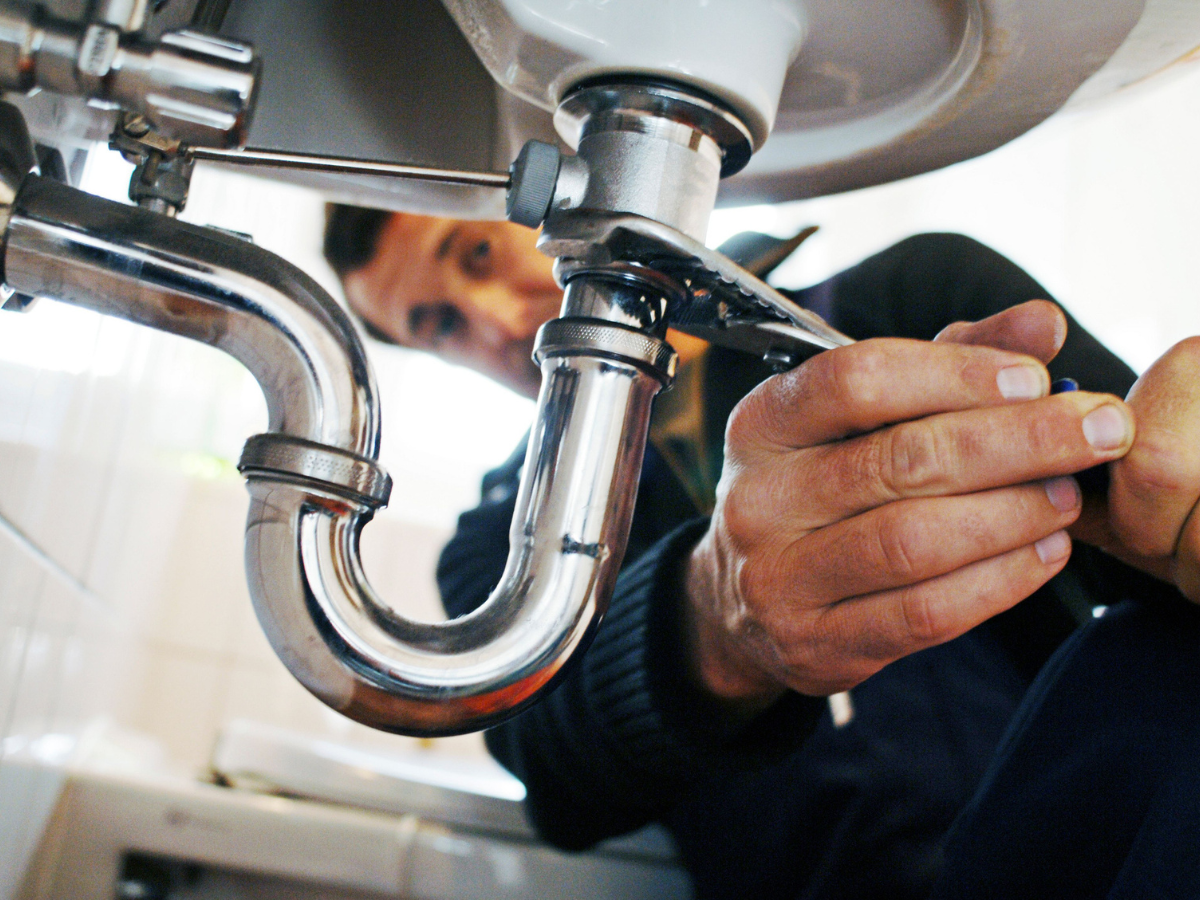
Whether it’s water where water shouldn’t be or a furnace that refuses to cooperate, plumbing and HVAC work comes with its own surprises.
Common risks
• Flooding during repairs or installs
• Damage to flooring or drywall
• Faulty furnace or AC installations causing damage
• Issues involving refrigerants or chemicals
Key coverages
• Commercial General Liability coverage
• Errors and Omissions coverage for design or installation mistakes
• Tools and equipment insurance for specialized gear
• Pollution liability coverage for refrigerants and chemical related risks
Roofers and Exterior Contractors
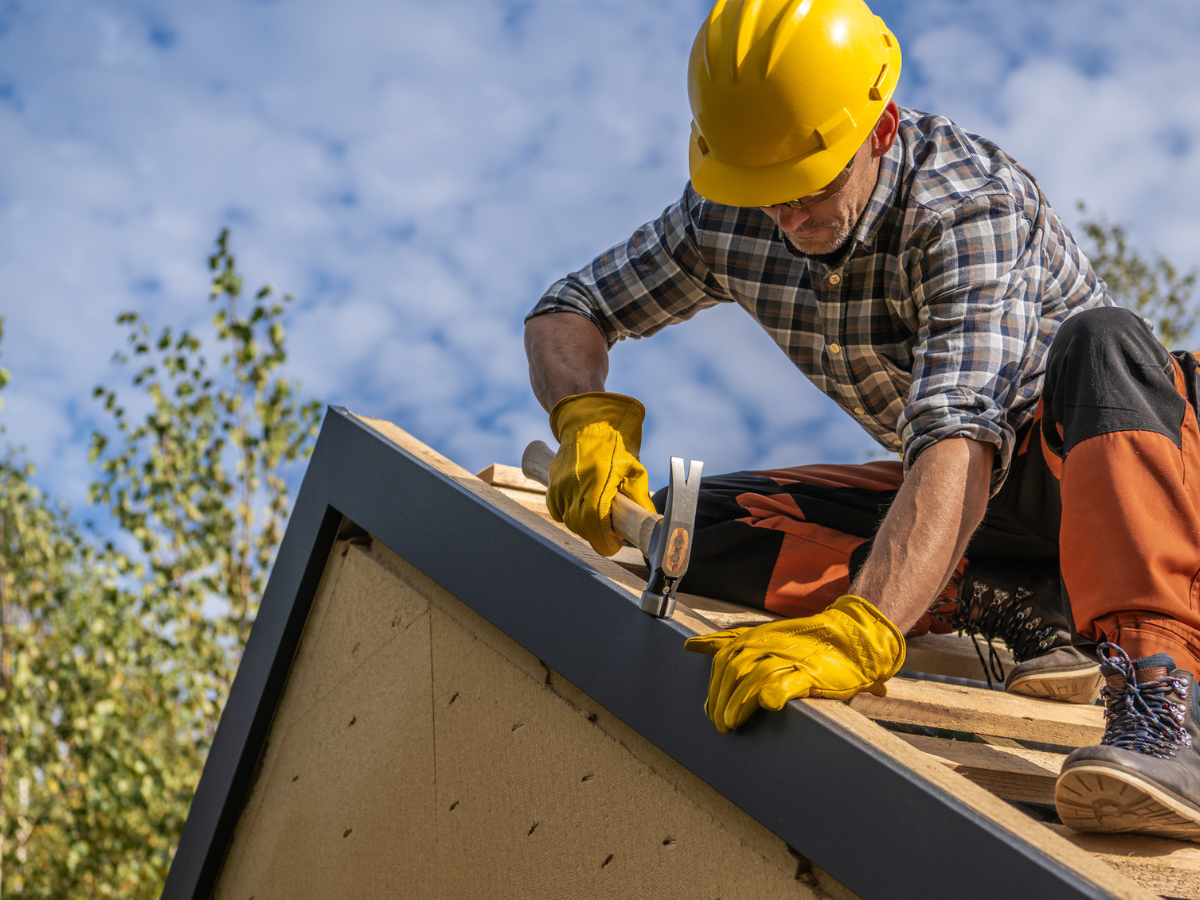
Roofers work at heights and deal with exposure to wind and weather, making this one of the higher risk trades.
Common risks
• Falls or serious injuries
• Wind damage to exposed roof structures
• Damage to skylights, siding, or landscaping
• Leaks due to installation errors
Key coverages
• Commercial General Liability coverage
• Workers compensation coverage if you employ others
• Installation floater coverage to protect materials on transit or on-site
• Errors and Omissions coverage for installation mistakes that lead to damage
Painters and Finishing Contractors
Painting may look low risk but accidents still happen. Paint spills, fume issues, and ladder slips are all things that can cost time and money.
Common risks
• Paint spills that damage flooring or furnishings
• Overspray affecting nearby vehicles or surfaces
• Fume exposure concerns for clients or workers
• Ladder related injuries
Key coverages
• Commercial General Liability coverage
• Tools and small equipment coverage
• Commercial auto coverage if you transport paint and supplies

Landscapers and Groundskeepers
Landscaping involves heavy equipment, chemicals, and working on uneven terrain, which leads to a wide range of potential hazards.
Common risks
• Property damage from mowers or trimmers
• Injuries from power equipment
• Spray drift from pesticides or fertilizers
• Storm damage to stored equipment
Key coverages
• Commercial General Liability coverage
• Equipment insurance for zero-turn mowers, trimmers, and trailers
• Pollution liability coverage for chemical related risks
• Commercial auto coverage
What Insurance Is Required in Canada
Requirements vary by province and municipality, but some general expectations apply across most of the country.
• Commercial General Liability is expected for nearly all contractors
• Workers’ compensation coverage is required if you have employees in most provinces
• Commercial auto coverage is required for business vehicles
• Some trades may need Errors and Omissions coverage, especially if you provide design or technical services
• Large commercial clients often require proof of insurance before you begin work
If you work in Alberta, Saskatchewan, or Manitoba, the exact rules can differ slightly, so it’s always wise to check with your local licensing office or talk to a broker.
Protecting Your Tools, Your Team, and Your Business
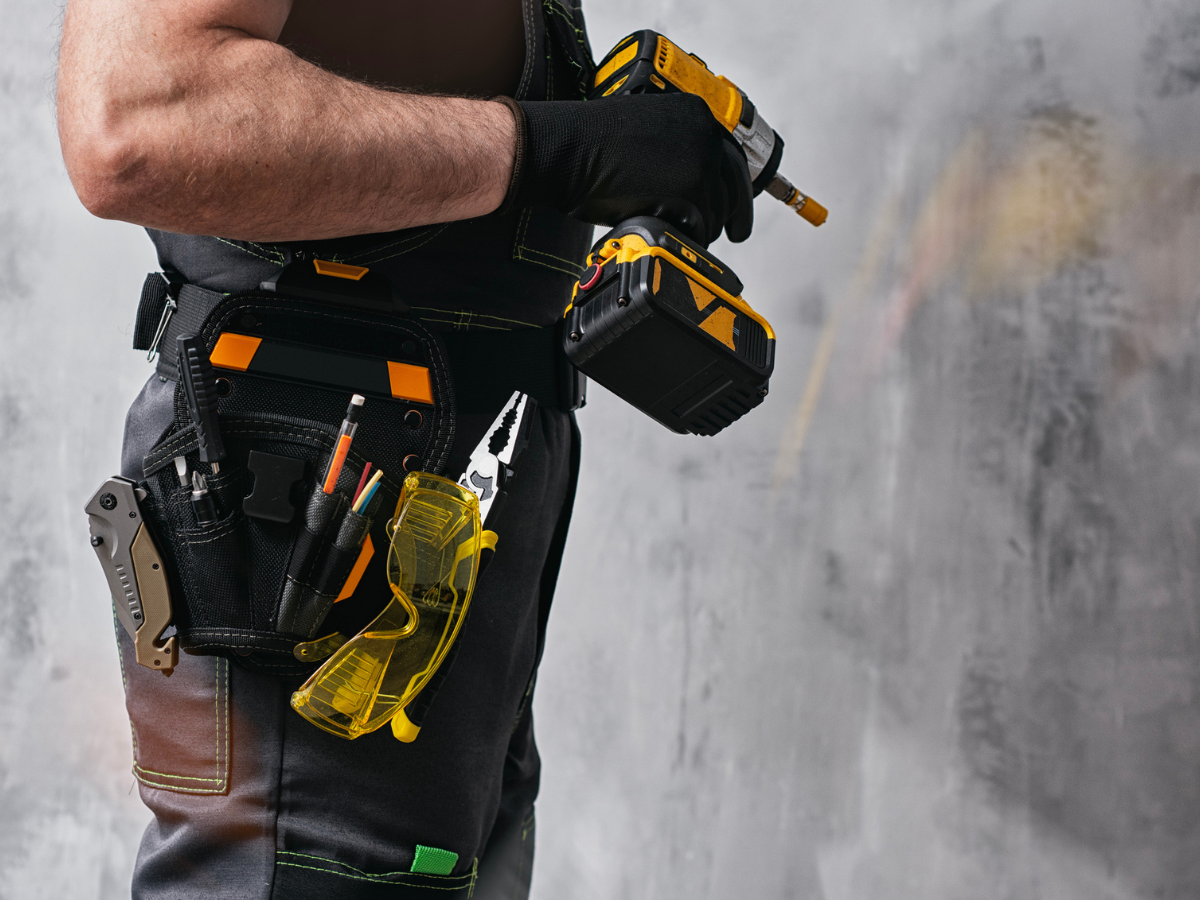
Contractors invest a lot in their craft. Tools, vehicles, training, and reputation all take time and money to build. Insurance helps protect everything you’ve worked for. From on-site accidents to weather damage to stolen equipment, the right coverage gives peace of mind so you can focus on the job
A broker can help you choose coverage based on your trade, the equipment you use, and the projects you take on. It’s rarely a one size fits all situation, and having someone guide you through the options makes a big difference.
Building Confidence in Every Trade
No matter which trade you’re in, your work keeps homes safe, businesses operating, and communities growing. With the right contractor insurance in place, you can take on bigger projects, serve more clients, and build the kind of business you want for the long term.
If you’re not sure where to begin, reach out to a broker who can walk you through your options and help choose coverage that fits your needs and budget. One step, one tool, one project at a time.
Please note that the information in this article may not reflect your specific insurance policy with Sandbox Mutual Insurance or another insurer. Always refer to your policy documents or speak with your broker about your individual coverage needs.

FAQ'S
Do all contractors legally need insurance to work?
While requirements vary from province to province (and job to job), most contractors will need at least Commercial General Liability coverage before stepping foot on a worksite. Some clients won’t even let you touch a hammer without proof of insurance. It protects you, your reputation, and your bank account when the unexpected happens.
What kind of insurance do I need for my specific trade?
Different tools, different risks. Electricians may need Errors & Omissions for wiring mistakes, landscapers may need pollution liability for chemical use, and roofers may need substantial liability and coverage for working at heights. A broker can help tailor your policy so you’re not missing coverage—or paying for things you don’t need.
Is my equipment covered if it’s stolen from a job site?
It can be! Adding Tools & Equipment coverage helps protect your gear—whether it’s hand tools, power tools, or that brand-new laser level you’re very proud of. From break-ins to job site disappearances, you’ll have backup to replace the essentials and get back to work fast.