7 Candle Safety Tips
Summary
Reading Time
5 min
Candles are used for a variety of purposes, like religious ceremonies, a source of light when the power goes out, or simply as home décor. Because they are so commonly used, we often don’t give a second thought to the safety risks associated with candles.
According to The Government of Canada, candles are responsible for nearly 800 fires that cause an average of 8 deaths, 115 fire injuries, and $26.2 million in property damage each year in Canada. Many of these incidents occur during holidays and occasions when candles are commonly used, such as Valentine’s Day or Christmas.
Luckily, there are some easy things you can do to help prevent a home or condo fire due to a candle.

1. Choose a candle with a sturdy design and make sure it is resting on a solid base that won’t be tipped over.
Picking a candle is not just about sniffing through a bunch of scents until your nose goes on strike. It's also about finding a candle that’s sturdy and unlikely to take a tumble if bumped. A large and sturdy base of the candle is the most important thing to look for. This way, you keep the cozy vibes strong and the fire department uninvolved.
2. Before burning, trim candle wicks so they are 1/8 – 1/4 inch long. This will prevent the flame from getting too big.
Keeping your candle wick trimmed to about 1/8 – 1/4 inch isn't just for show; it's like the secret sauce to a perfect candle-burning experience. Why? Well, it's all about controlling the size of the flame. A big flame can cause soot to get on your walls and ceiling, and let's be honest, that's not the kind of decor we're going for.
Trimming the wick keeps the flame modest and manageable. Plus, it helps your candle burn more evenly, so you get the most out of it.
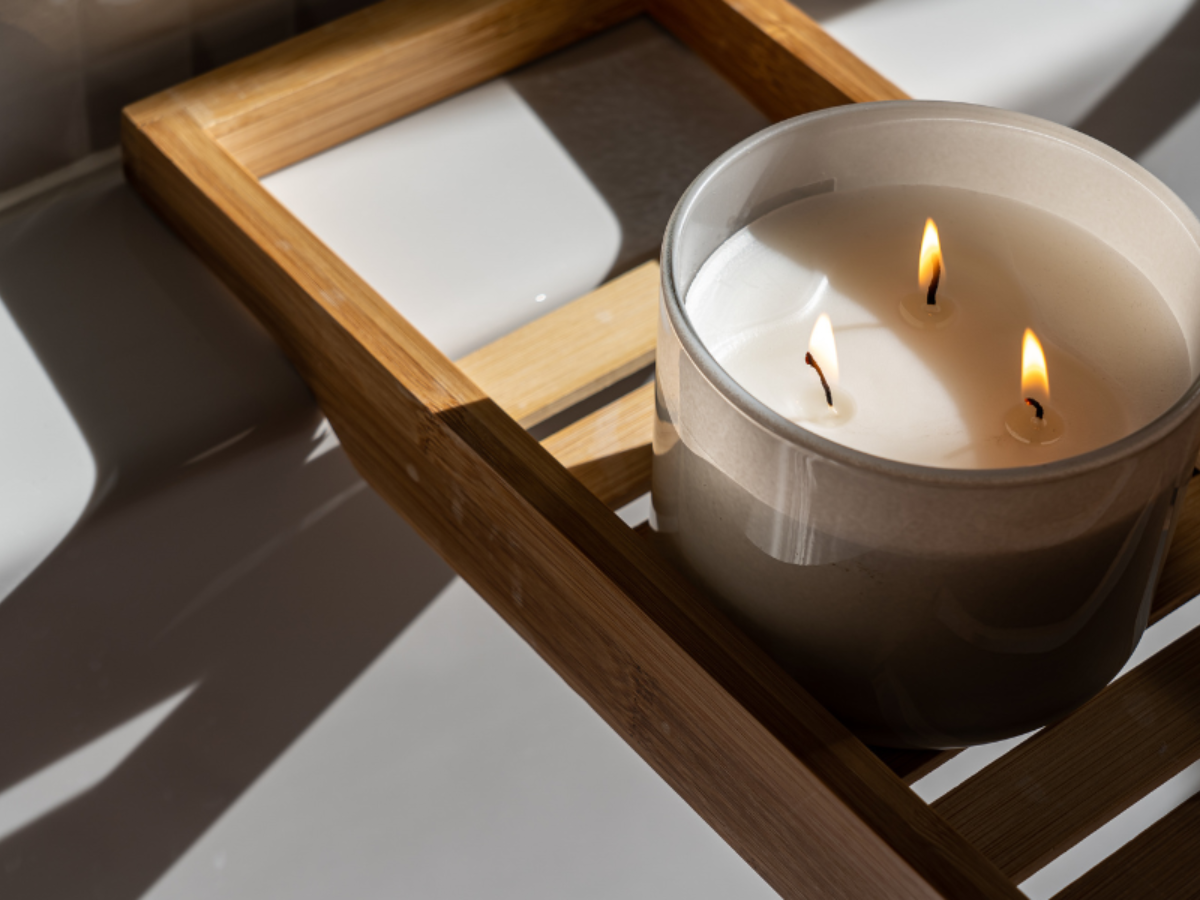
3. Be extra careful if you have a candle with multiple wicks, especially if the wicks are close together.
When multiple wicks burn in close proximity, they can join forces to create one big super-flame and increase the risk of a fire. So, what's a candle lover to do? Keep the wicks trimmed as per our point above, and keep your eyes peeled. Consider purchasing candles with only one wick moving forward.
4. Keep the candle away from young children, pets, and flammable objects.
Kids and pets are curious, fast, and have an impressive ability to find trouble. Imagine leaving a candle on a low coffee table, only to find your toddler or cat hosting a meet-and-greet with the flame. Not ideal, right?
Now let’s talk about flammable objects. Here are a few examples of things that should definitely keep their distance from candles.
- Paper of any kind
- Curtains
- Aerosol cans, including deodorants, hair sprays, and cleaning products
- Clothing, towels, and other fabrics
5. Do not burn the candle for longer than 4 hours or the time specified on the label.
First off, burning a candle for too long can turn your peaceful, flickering flame into a raging bonfire. Okay, maybe not a bonfire, but definitely a bigger, hotter flame than you bargained for. This happens because the longer a candle burns, the more melted wax the wick has to draw from. A longer wick equals a larger flame, which equals more heat, and suddenly, you're not just setting the mood; you're setting the stage for a fire hazard.
Let's not forget the tunneling effect. This is when only the middle part of the candle burns down, leaving a ring of lonely, un-melted wax clinging to the sides. Not only does it look sad, but it also means you're not getting the most bang for your buck. By sticking to the recommended burn time, you ensure an even melt which saves you from the heartbreak of a prematurely extinguished candle life.
6. Most importantly, never leave a burning candle unattended. Extinguish the candle if you’re going to leave the room or go to sleep.
Extinguishing a candle before you leave the room or head to bed isn't just a good practice; it's a must-do. Before you transition from being awake to dreaming about being a superhero (or whatever it is you dream about), make a quick sweep of the house and ensure your candles are out.

7. Make sure the room you’re burning a candle in has an operational smoke detector.
Even if you’re following all the precautions above — accidents happen. That’s where our unsung hero, the smoke detector, comes in.
Ensure your smoke detector is working properly. Here are some things to consider:
- Let's talk about the "test button" — a.k.a., the "make sure it's not just a ceiling decoration" button. Once a month, give that button a push until the alarm beeps. No beep? Then it's time to switch out those batteries or consult the manual if it's a wired model.
- Every few months, take a vacuum or a dust cloth to your smoke detector. Dust and cobwebs can make them less sensitive or, ironically, trigger false alarms.
- Replace your smoke detector every 10 years, even if it's still beeping during your monthly test.
Insure Your Home in Case of Fire Damage
Prevention is the best thing you can do to avoid fire damage to your home due to a candle. But, of course, not all things are 100% preventable or predictable. Make sure you’ve adequately insured your home with a home insurance policy. If you’re in Saskatchewan, Manitoba, or Alberta, talk to an insurance broker about Sandbox home insurance.
Please note that the information in this article may not accurately reflect your insurance policy from Sandbox Mutual Insurance or another insurance company. Please refer to your policy or talk to your broker about your specific coverages.

FAQ'S
Are candles covered under my home insurance if they accidentally cause a fire?
Yes — most home, condo, or tenant insurance policies (including those with Sandbox!) offer coverage for fire damage caused by accidental candle mishaps. But coverage is there for the unexpected, not the unsafe — so following candle safety tips reduces both your risk and the chance you’ll ever need to make a claim.
Do I really need a smoke detector in every room where I burn a candle?
Yes… really! Even the safest candle lovers can have a “whoops” moment. A working smoke detector means a tiny flicker doesn’t turn into a household horror story. It’s your early-alert teammate in fire safety — quick to notice trouble, even when you’re distracted
How long should I burn a candle at one time?
Most candles max out at about 4 hours before flames start getting too wild and wax pools too deep. Letting the candle cool between burns helps keep the flame steady, prevents tunnelling, and keeps your walls soot-free. Think of it as a cool-down period for your candle… spa day style!