
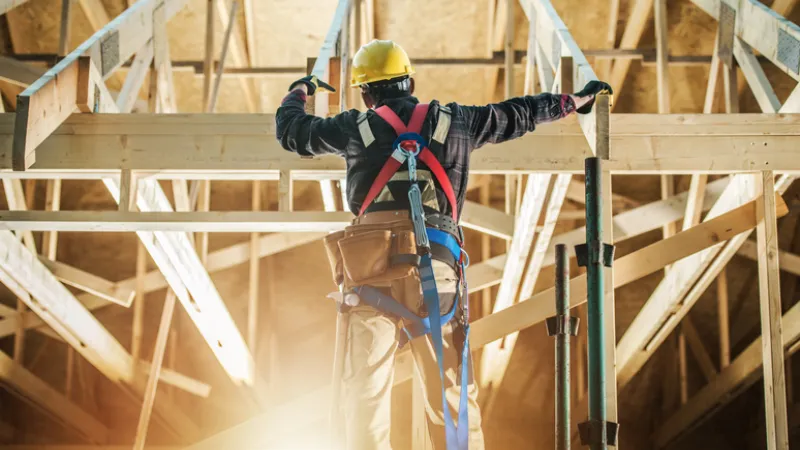
Builder’s Risk Insurance: Protect Your Construction Projects
Construction projects are a bit like putting together a very expensive puzzle, except the pieces are made of lumber, concrete, and materials that get more pricey every time you need them. Whether you're building a new home, renovating a commercial property, or managing a construction project, there's a lot riding on everything going according to plan. Unfortunately, construction sites don't always cooperate.
A fire, a severe storm, or stolen materials can turn a project that's moving along nicely into an expensive headache. That's where builder’s risk insurance comes in. It can help protect your building and eligible materials during construction, giving you financial backup when things don't go to plan .
What Builder’s Risk Insurance Actually Is
Builder’s risk insurance is designed to protect a building while it's being constructed or renovated. You might also hear it called course of construction insurance. Both terms generally refer to coverage for property that's still in the process of becoming a finished building.
Think of it as insurance for the in-between stage. You've already invested money in materials, labour, and construction, but the building isn't ready for use yet. If something damages the project before it's complete, builder’s risk insurance may help cover eligible losses, depending on your policy.
What Builder’s Risk Insurance Can Cover
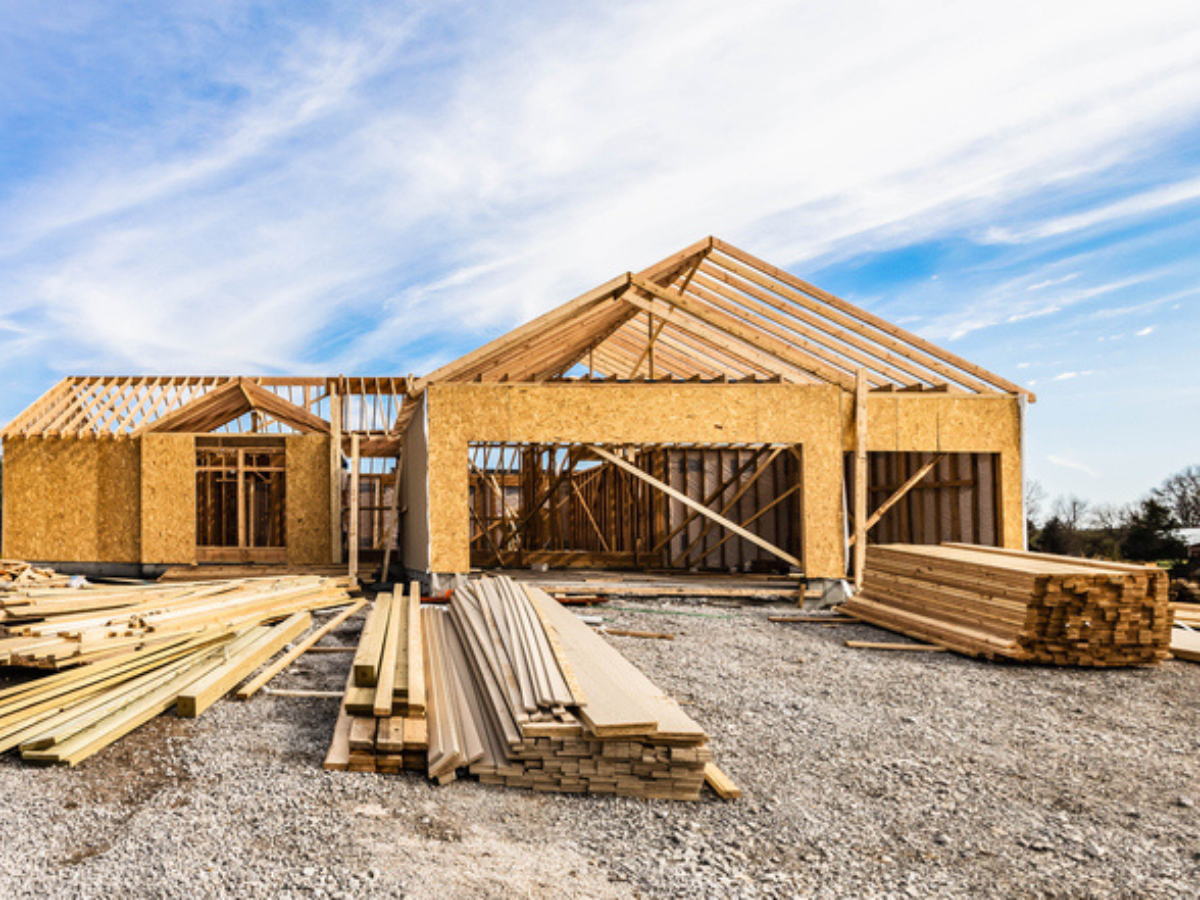
Builder’s risk insurance generally focuses on physical damage to the building and eligible materials. Depending on your policy, coverage may include damage caused by events such as fire, theft, vandalism, wind, or hail. Some policies may also cover materials stored away from the construction site, although specific conditions can apply.
Here are a few examples of what coverage may include:
- The building itself: Damage to a partially completed structure caused by a covered event.
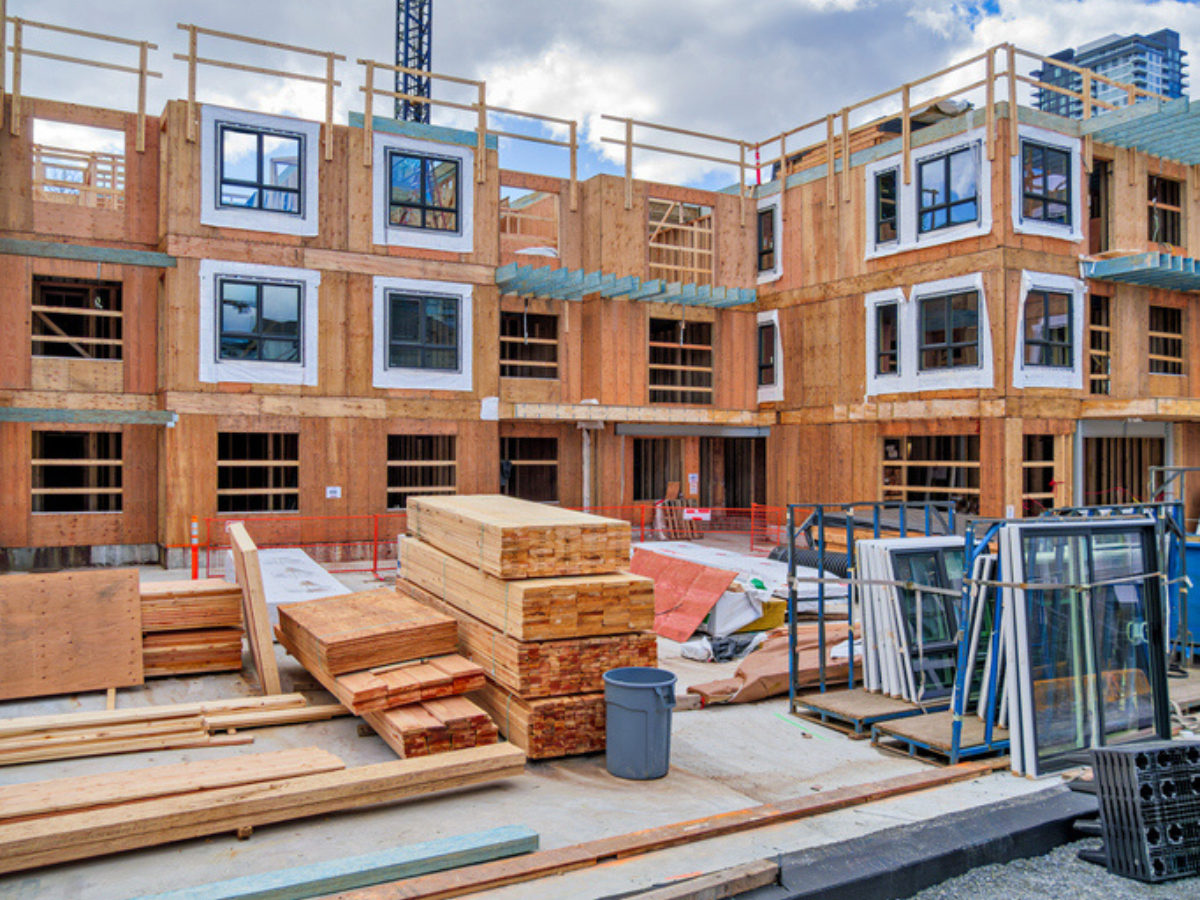
- Construction materials: Eligible lumber, windows, roofing supplies, and other materials intended for the project.
- Theft and vandalism: Loss of eligible materials or damage to the construction site, subject to policy conditions.
- Certain weather events: Physical damage caused by covered wind, hail, or other specified events.
Imagine a fire damages part of a commercial building just weeks before completion. Instead of paying every eligible repair cost out of pocket, you may be able to rely on your builder’s risk policy to help cover the loss. The exact outcome depends on the policy, including its limits, exclusions, and deductibles.
When Construction Doesn't Go According to Plan
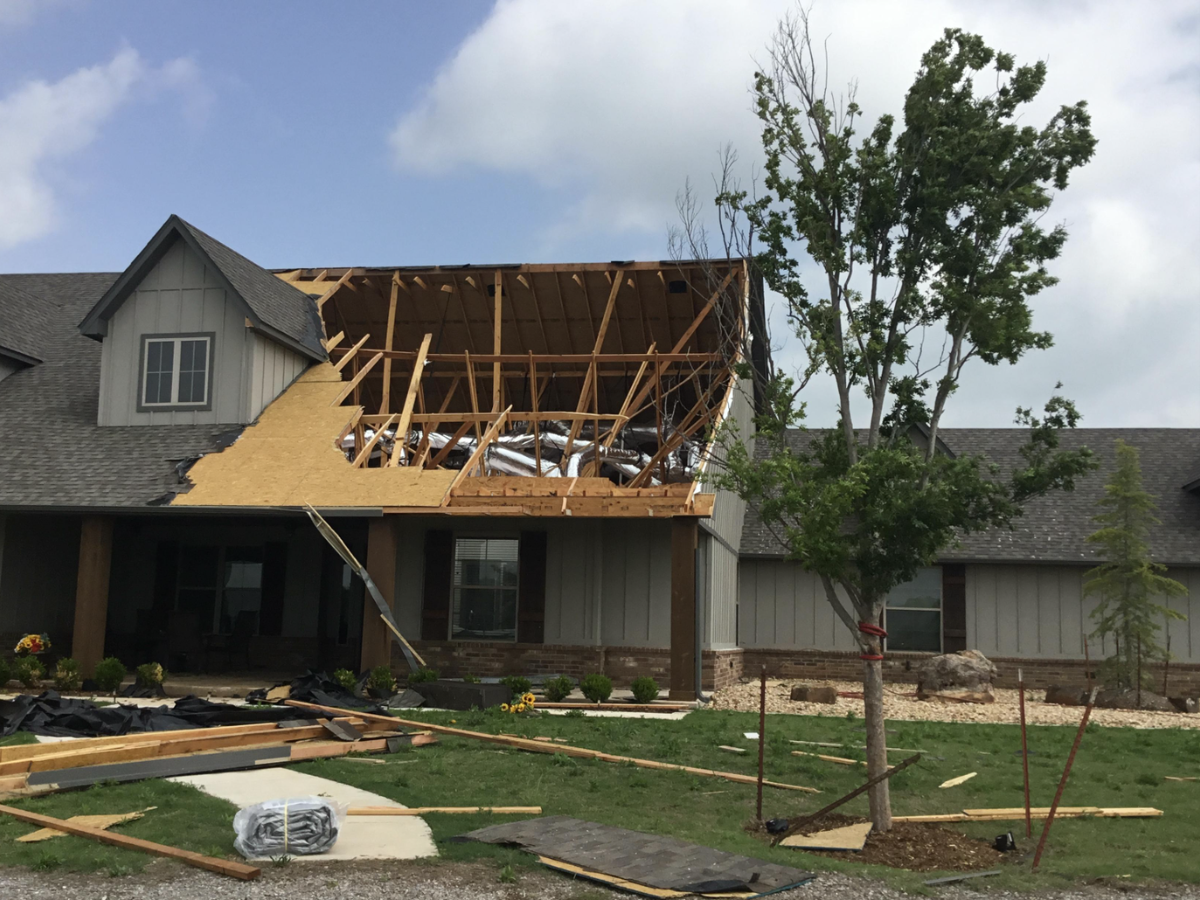
A project might be carefully scheduled, the materials might be ordered well in advance, and the contractors might know exactly what they're doing. Then a storm rolls through overnight and damages part of the building before the roof is finished.
Suddenly, you're looking at repairs, replacement materials, and a construction timeline that needs serious adjusting. Builder’s risk insurance can help with eligible costs resulting from covered physical damage. It won't prevent the storm or magically get your project back on schedule, but it can help reduce the financial impact of an unexpected setback.
What Builder’s Risk Insurance Doesn't Cover
Builder’s risk insurance can be useful, but it isn't a free pass for every construction related expense. Policies have exclusions and conditions that determine when coverage applies, so it's important to understand where protection ends before you need to make a claim.
Common exclusions or limitations may include:
- Wear and tear: Gradual deterioration, rust, and normal aging.
- Faulty workmanship: The cost of correcting poor workmanship or defective materials, although resulting damage may be treated differently.
- Mechanical breakdown: Equipment or machinery failures that require separate coverage.
- Certain water damage: Flooding, seepage, or other losses that may be excluded or require additional protection.
- Liability claims: Third party injury or property damage claims arising from construction activities.
The details vary between policies, and some risks may be covered through additional endorsements or separate insurance. If you're unsure whether a particular situation is covered, ask your broker before construction begins rather than finding out the hard way.
Who Actually Needs Builder’s Risk Insurance?
If you're financially invested in a building that's still under construction, builder’s risk insurance is worth considering. Builders and general contractors may need it to protect their financial interest in a project, while developers and property investors might want coverage for the money tied up in an unfinished building.
Homeowners planning major renovations should also check whether their existing home insurance provides appropriate protection during construction. A new addition or extensive renovation can introduce risks that aren't present when a home is fully finished. Your existing policy may have restrictions or requirements that need to be addressed before work starts.
One important detail is deciding who's responsible for arranging coverage. Depending on the project, that could be the property owner, developer, or contractor. Don't assume someone else has taken care of it. Confirm who's arranging the policy and which parties need to be included before work begins.
When Your Project Needs More Than Builder’s Risk Insurance
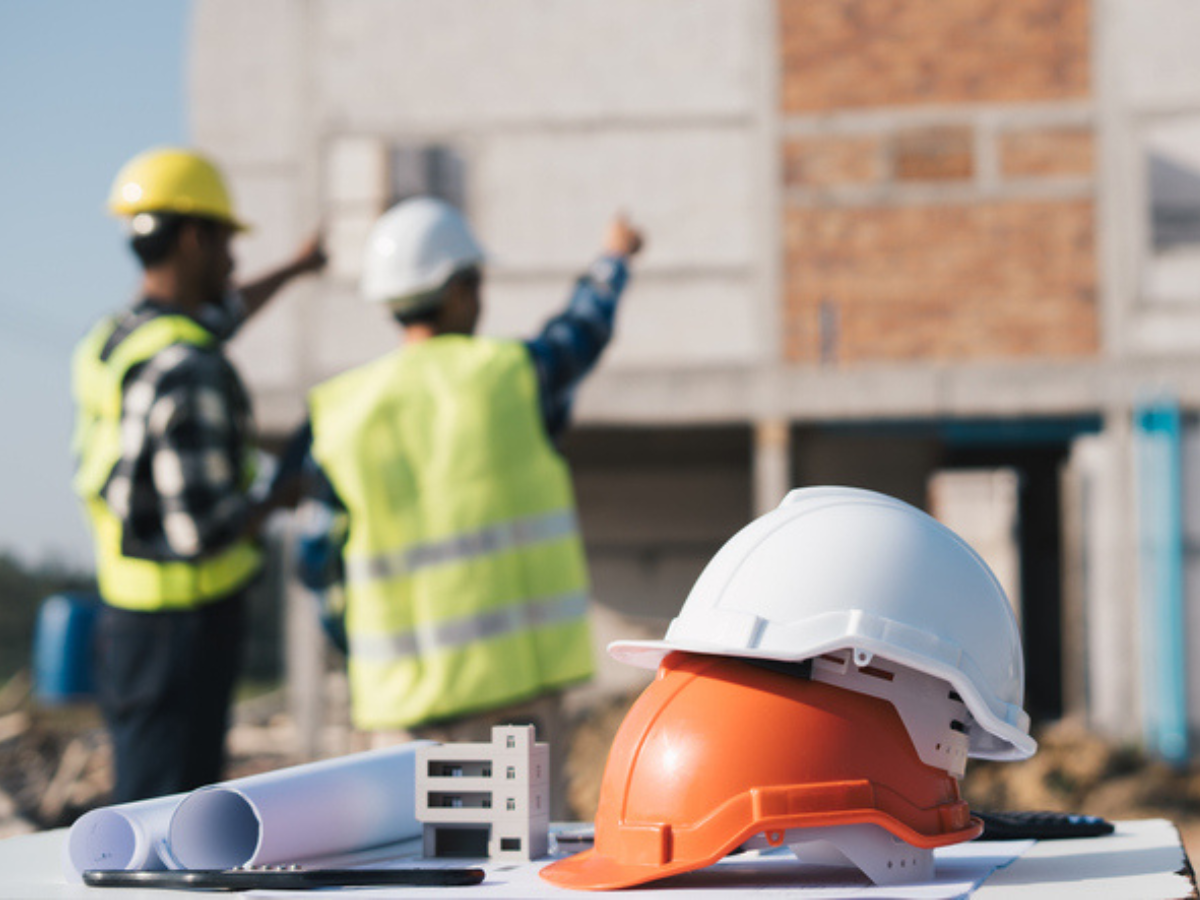
Builder’s risk insurance focuses on the building and eligible project materials, but construction involves other risks, too. Commercial general liability insurance helps protect against covered third party claims involving bodily injury or property damage. The two policies serve different purposes, and one doesn't replace the other.
For example, if a fire damages an unfinished building, builder’s risk insurance may respond if the loss is covered. If a visitor is injuregeneral liability insuranced after tripping over materials at the site, commercial general liability insurance may respond to a resulting claim, depending on the circumstances and policy terms. Tools, equipment, and other business property may also need separate consideration.
When Builder’s Risk Insurance Should Start and End
Ideally, coverage should be in place before construction begins and before the building or materials are exposed to the risks associated with the project. Your broker can help confirm the effective date and any conditions that need to be met for coverage to apply.
You also need to know when the policy ends. Some policies have specific expiry dates, while others include conditions related to completion, occupancy, or other project milestones. If construction takes longer than expected, you may need to get an extension. Once the building is complete, make sure appropriate permanent property insurance is ready to take over so there's no unexpected gap in coverage.
What Affects the Cost of Builder’s Risk Insurance?
There's no one size fits all price for builder’s risk insurance. Premiums depend on the project, the coverage selected, and how the insurer assesses the risks involved. A small residential renovation and a large commercial development will have very different insurance needs.
Some of the factors that can affect the cost include:
- Project value: The estimated value of the building and eligible materials.
- Construction type: The building's design, materials, and construction methods.
- Location: Weather exposure, fire protection, and other location specific risks.
- Project duration: How long construction is expected to take.
- Coverage and deductibles: The limits selected, the deductible, and any additional protection required.
The best way to understand the cost is to request a quote based on your actual project.
Comparing coverage, exclusions, and limits alongside the premium can help you make a more informed decision than choosing a policy based on price alone.
How to Get Builder’s Risk Insurance for Your Project
Getting started is easier when you have the basic project details ready. Your broker will need information about the project location, estimated construction value, expected start and completion dates, building materials, and construction methods. For additional guidance, check out this guide to insurance for new home builders and renovators.
Before requesting a quote, think about how materials will be stored, how the site will be secured, and whether supplies will be transported or kept somewhere other than the construction site. These details can affect the coverage available and help identify potential gaps.
It's also worth asking about exclusions, deductibles, coverage limits, and what happens if the project takes longer than expected. You don't need to know every detail of insurance before breaking ground, but having these conversations early can make a big difference when it comes to protecting your investment.
Final Thoughts
Construction projects take time, money, and planning. The last thing anyone wants is for a fire, storm, or theft to undo weeks of work and leave them facing unexpected costs. Builder’s risk insurance helps protect buildings and eligible materials during construction, making it an important consideration for many projects.
The key is finding coverage that reflects your actual needs. Understand what your policy covers, review its exclusions, and confirm when protection begins and ends.
If you're planning a construction project, explore Sandbox's commercial insurance options and speak with your insurance broker about the coverage you may need. Building a new project is exciting, just make sure you’re properly covered!.
Please note that the information in this article is provided for general informational purposes only and may not reflect the specific details of your insurance policy. Coverage varies between insurers and provinces. Always review your policy documents or speak with your broker about your individual insurance needs.